• Skip to main content
  • Skip to footer

2iC Global

  • Transformation Engine
  • Team Training
    • AI Training for Recruiters
    • LinkedIn and Personal Branding
    • Recruitment Team training
  • Rec2Rec
  • About
    • About Us
    • Work With Us
    • Testimonials
  • Blog
  • Contact
You are here: Home / Archives for Career Advice

Career Advice

9 Graphic Design Trends You Need To Know!

October 1, 2018 by Julie McGrath

9 Graphic Design Trends You Need To Know!

As they say, “everything old is new again,” and 2018 has been a year of modernising graphic design trends from the past and diverging from the (literally) flat design landscape of recent years. Minimalism and simplification will stick around, but expect to see some old favorites make their return to the limelight with modern, updated looks.

If you’re feeling fashionable and want to add some contemporary flair to your designs, check out these 9 graphic design trends that will wow your customers in 2018 & beyond.

Here are the top 9 graphic design trends to watch out for:

  1. Responsive logos
  2. Gradients
  3. More depth (with semi-flat design)
  4. Dashing duotones
  5. Palettes & patterns inspired by the 80’s & 90’s
  6. Movement: animations & GIFs
  7. Bold typography
  8. Custom graphic art and illustration
  9. Authentic photography

1. Responsive logos

It’s been 10 years since responsive design began to revolutionise the web, and since then it has become the industry standard. The rapid rise of mobile browsing (and an endless assortment of devices and screen sizes) has created critical usability issues for traditional websites. Designers and developers began experimenting with various ways to make designs adapt to the user’s device as a one-website-fits-all solution. This laid the groundwork for what would become known as “responsive design.”

The idea of altering logos to meet the same user demands has largely remained unthinkable… until now. Companies have been refreshing their logos into modern, simplified versions over the past few years and responsive logo design is the logical next step in meeting the demands of today.
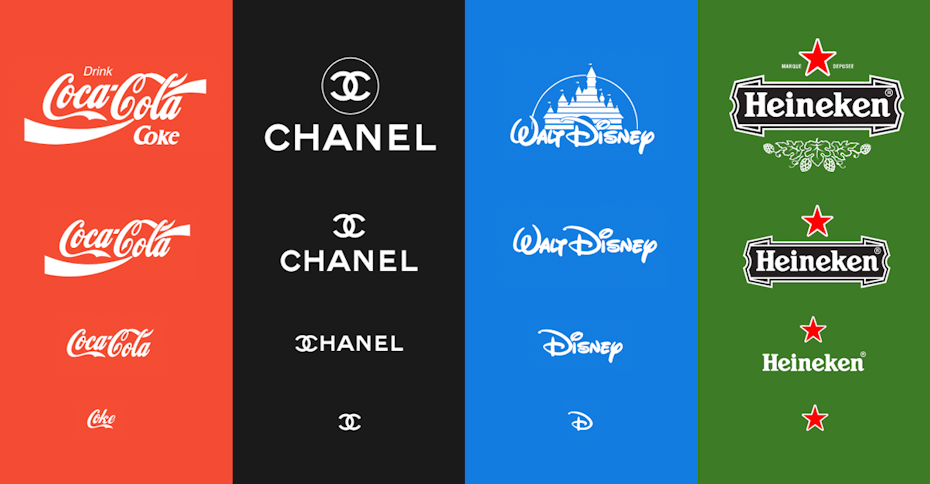
Responsive logo concepts by Joe Harrison
Select examples from “Responsive Logos”. Via Joe Harrison

Digital and interaction designer Joe Harrison created an experimental project called “Responsive Logos” to explore the creation of scalable logos for some of the world’s biggest brands.
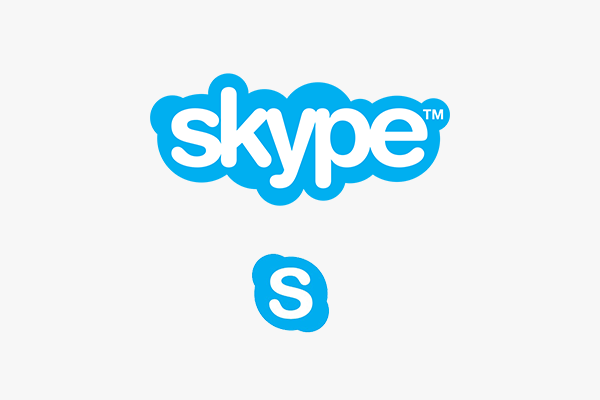
Skype logo

Via Skype

Google logo

Via Google

2. Gradients (also now know as colour transitions)
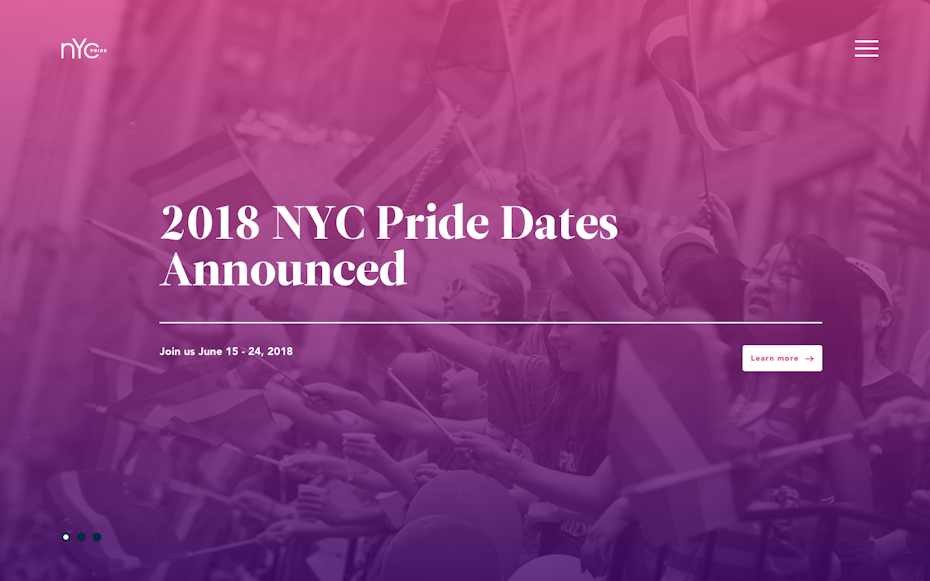
NYC Pride webpage screenshot
Gradient image overlay with color transition animations for added flare. Via NYC Pride

In the not-so-distant past gradients reigned supreme. They were found on every website button, page header and PowerPoint presentation. Your corporate PDF wasn’t cool unless a gradient graced the cover. Then, sometime around late 2007 they were sidelined as we embraced an era of flat design.
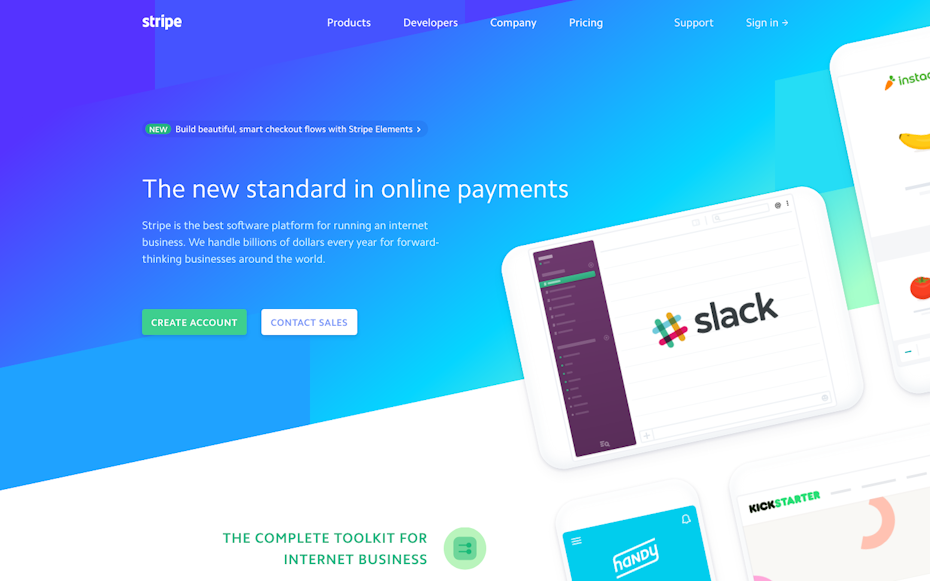
Stripe webpage screenshot
Stripe uses vibrant gradient backgrounds to compliment semi-flat illustrations. Via Stripe

Flat design is evolving, and gradients are making their modern-day comeback as a flat design enhancement. This enhancement is part of a design update often referred to as “flat 2.0” or “semi-flat design”. Their reappearance in iOS and adoption by industry leaders like Stripe and Instagram have solidified their popularity once again, and you’ll be seeing them in the form of vibrant UI, branding, backgrounds, illustrations and overlays.
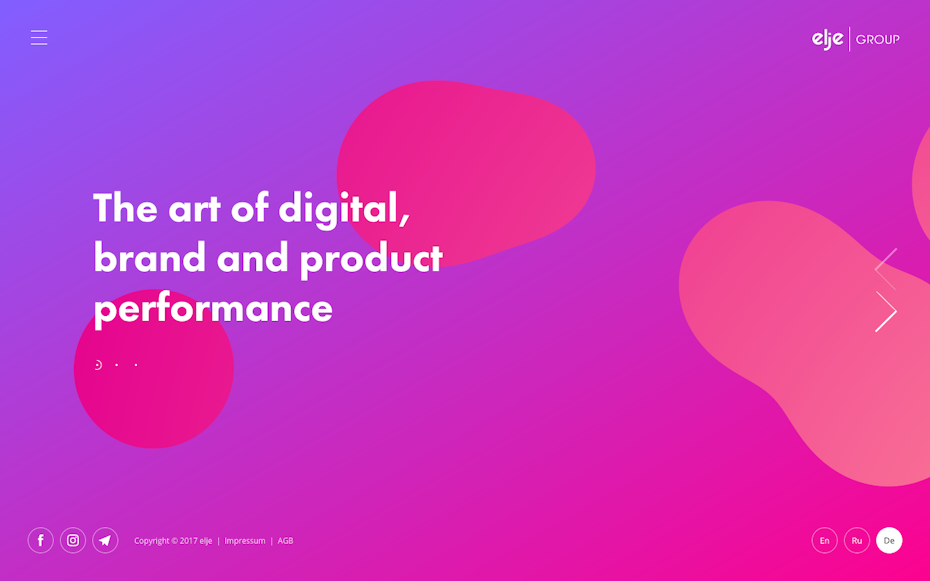
Elje Group webpage screenshot

Elje Group’s vivid color transitions and typography are on point for 2018. Via Elje Group
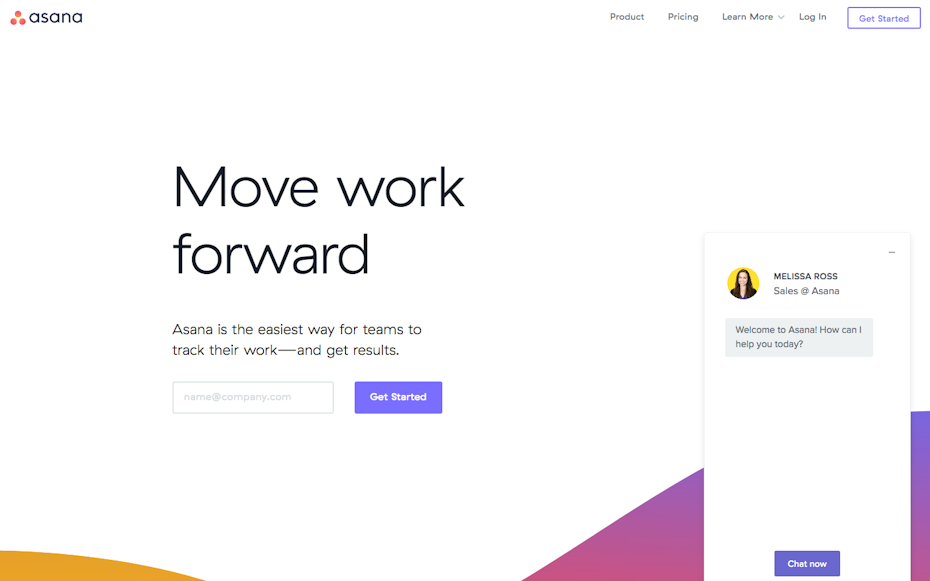
Asana webpage screenshot

Asana combines gradients, illustrations and shadows for a modern, flat 2.0 look. Via Asana

We’re also seeing an increased use of the term “color transitions” when referring to gradients. While the terms seem to be used interchangeably, “color transition” more often refers to the modern application which is vibrant, smooth and “flatter”—fitting within flat design aesthetics.
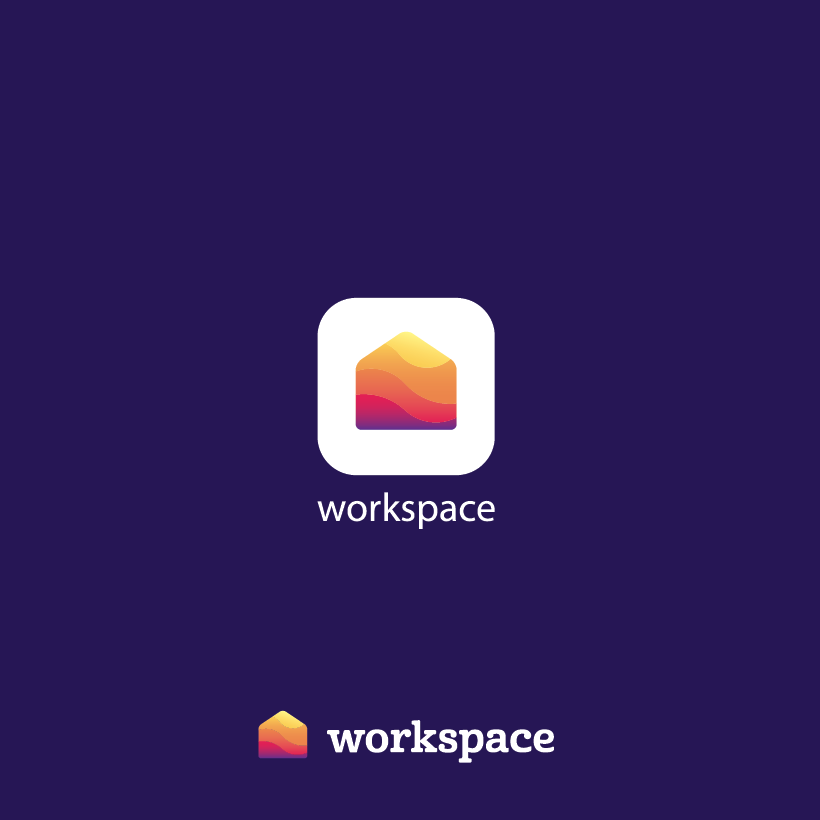
Workspace logo design

Workspace logo design for helloT7 by shaka88
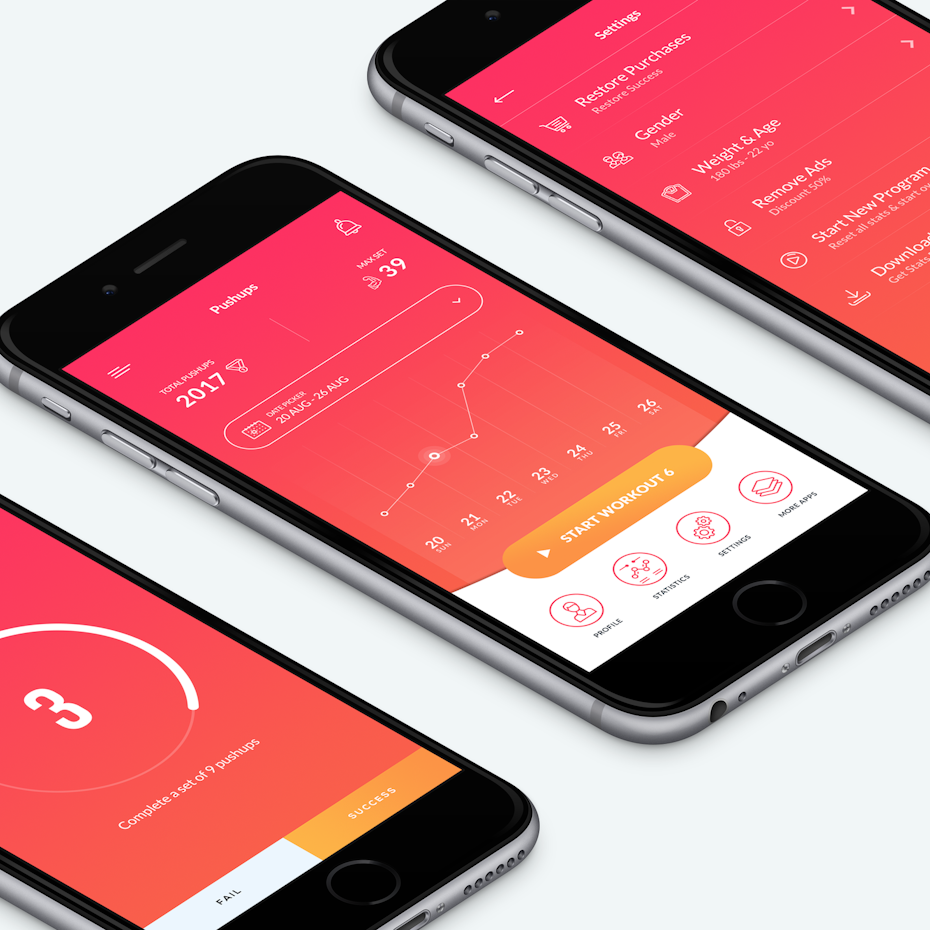
Pushups fitness app

Pushups fitness app for SmoothMobile, LLC by Nashrulmalik
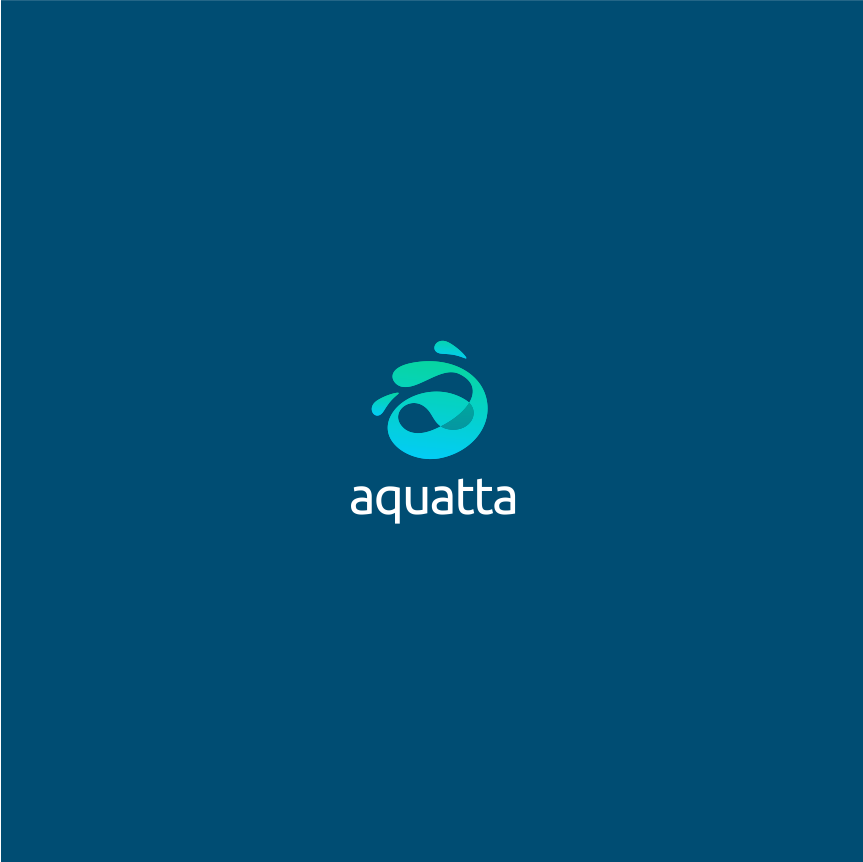
Aquatta logo concept

Aquatta logo concept by artsigma

3. More depth (with semi-flat design)
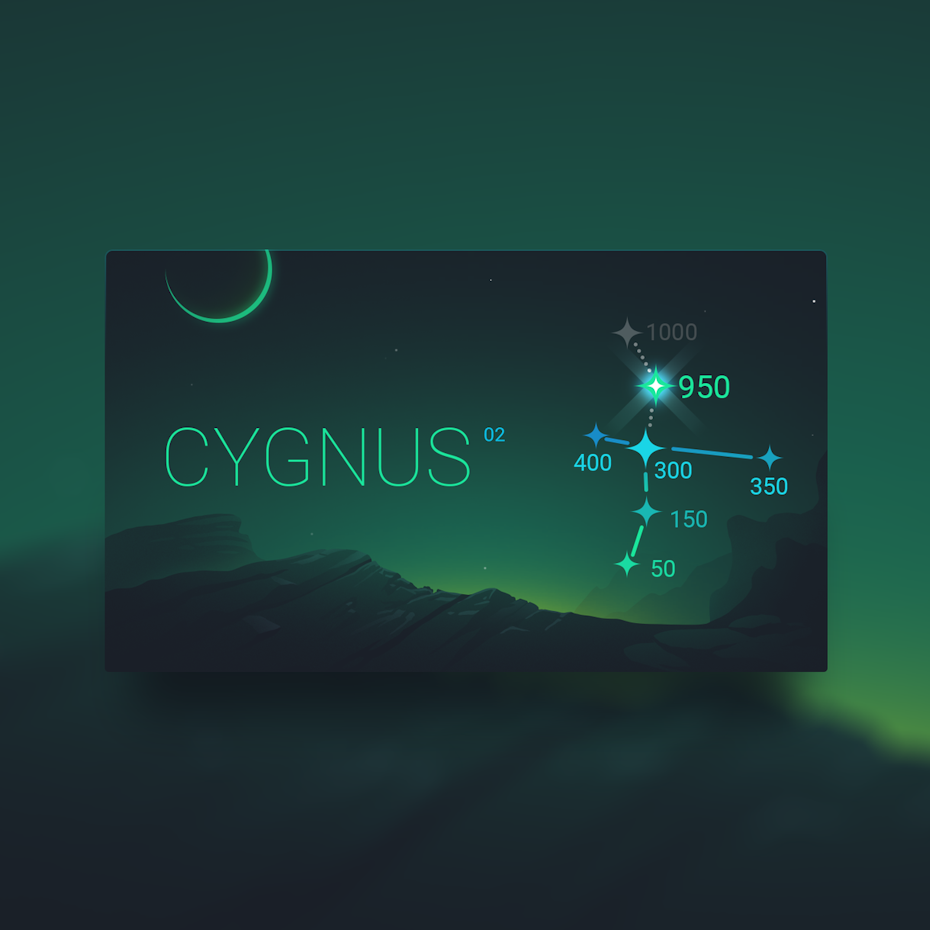
Galaxii game app design
Card design for the Galaxii game app by boorykin

We’ve been seeing them a lot lately, and it’s safe to say that shadows are officially back in 2018. Like gradients, shadows were put on the back burner as we stripped realism and skeuomorphism from our designs in favor of extreme minimalism and two-dimensional design.

In hindsight, depth was a valuable tool for helping users determine visual hierarchy, input fields and calls to action on screen. Designers had been experimenting with “long-shadows” as an acceptable means to add more dimension to their flat designs when Google Material Design reintroduced real shadows as an enhancement to their UI. The idea quickly spread outside of Material Design and designers began reintroducing shadows of their own. These shadows were large, soft, sometimes coloured and added subtle depth and dimension unlike their harsh, overused, “drop-shadow” predecessors.
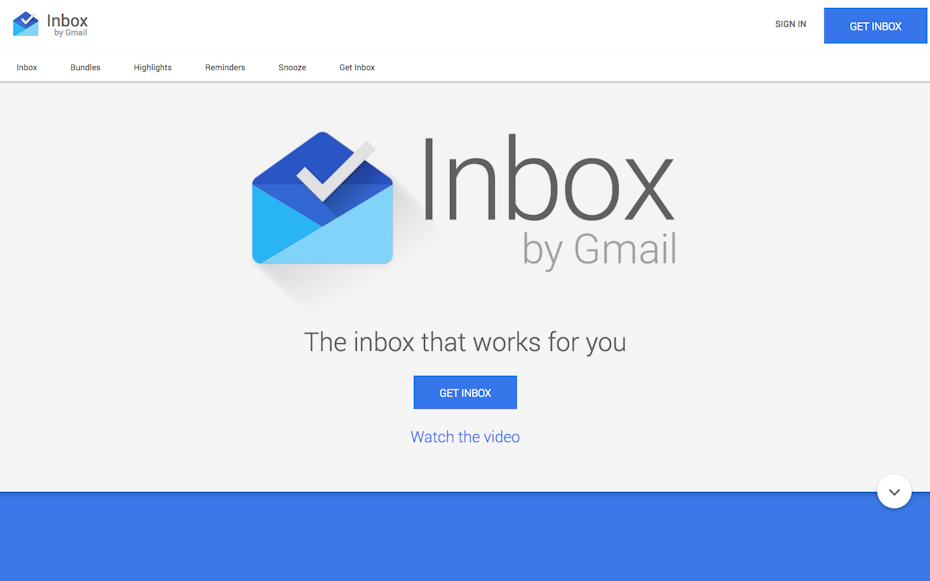
Inbox by Gmail website screenshot

An example of material design. Via Inbox by Gmail
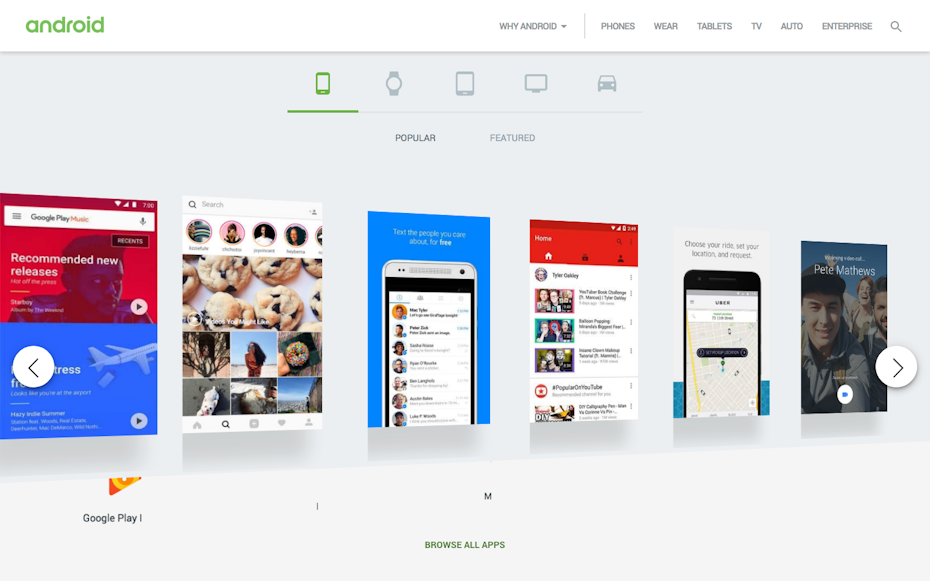
Android website screenshot

Large, soft shadows help determine hierarchy and interactivity in this awesome Material Design site. Via Android

The purists may not like it, but depth has proven that it can fit within the evolving ethos of flat design by improving usability and simplicity, both of which are core principles of flat design. Going forward you will see shadows become a staple of the “semi-flat” design movement. We’re already seeing them being used to enhance icons and illustrations, as well as websites, app interfaces and even print designs.
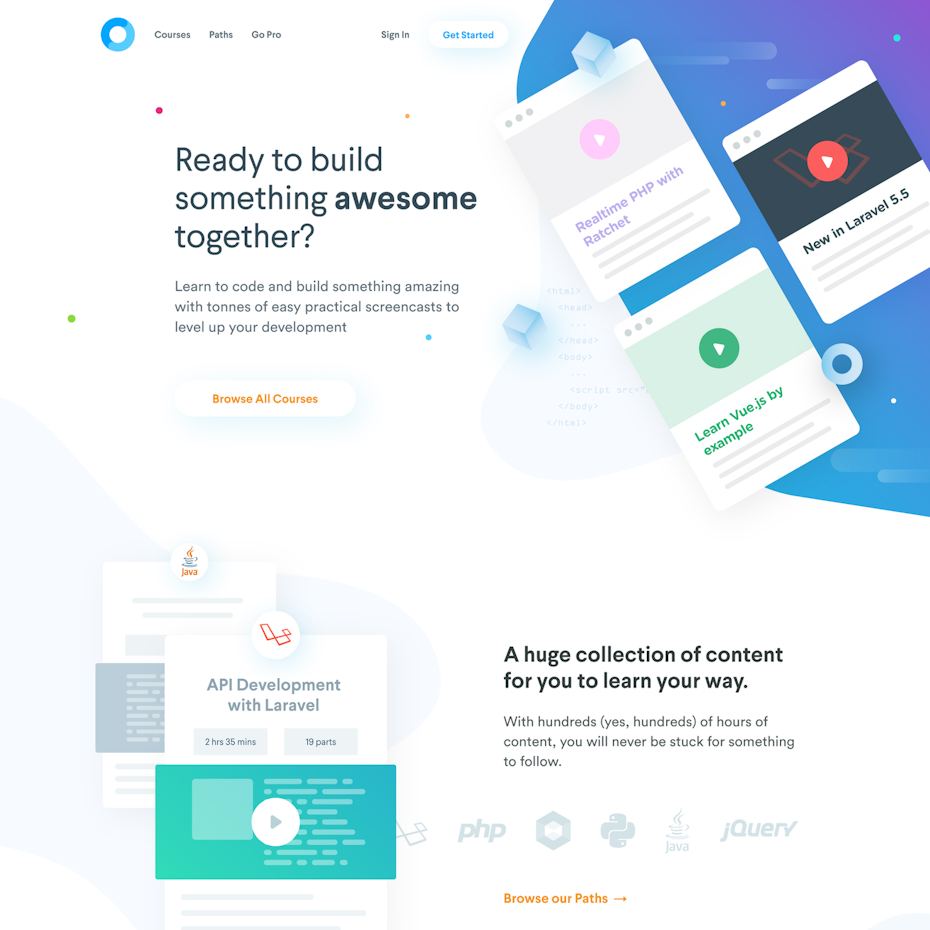
Codecourse homepage design

Subtle shadows help the UI components pop in this unique design. Codecourse homepage design by His-P Design Studio
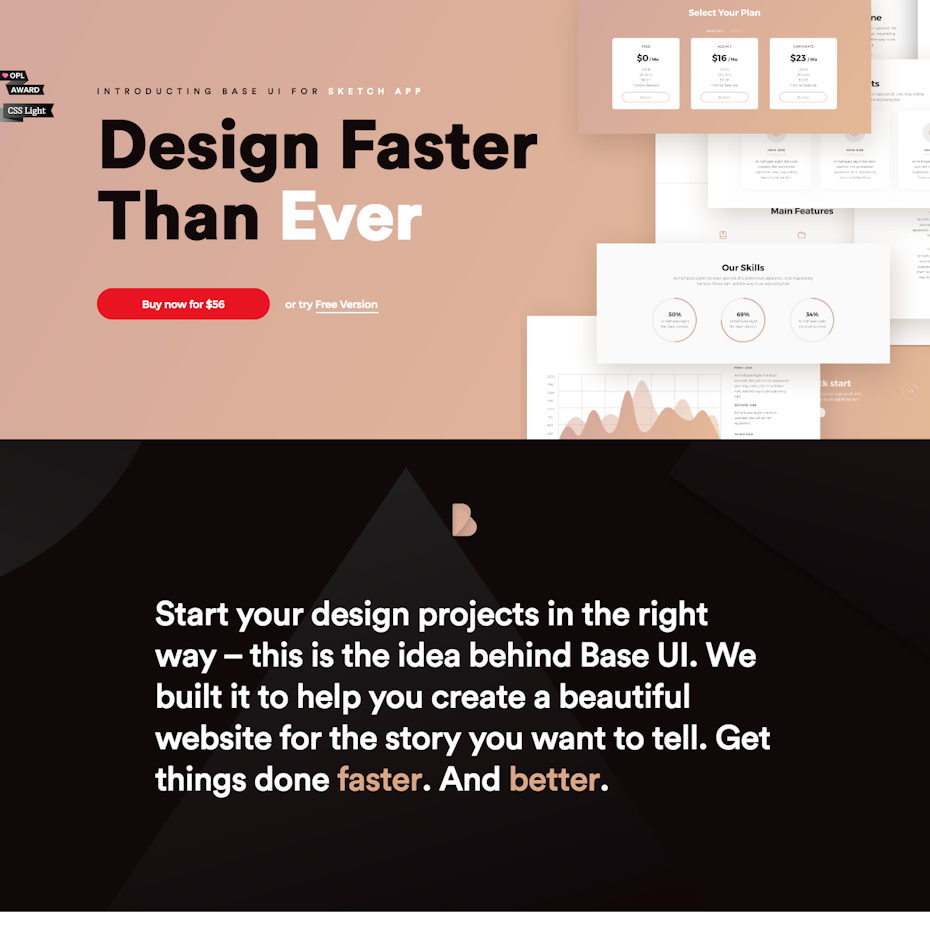
Base UI website screenshot

Subtle shadows help the UI components pop in this unique design. Via Base UI for Sketch

4. Dashing duotones
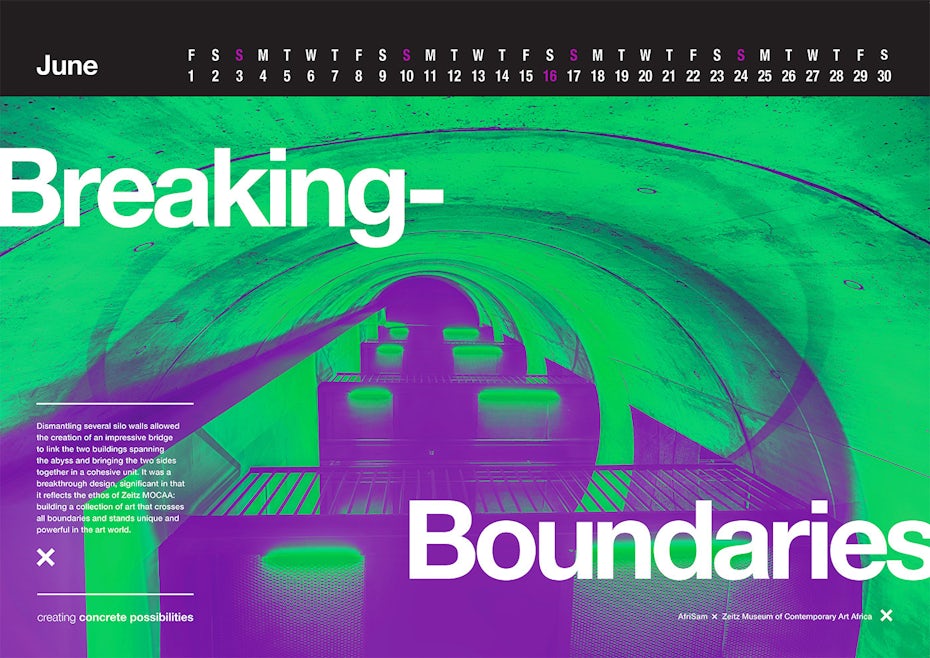
AfriSam 2018 Corporate Stationary
Calendar panel from AfriSam 2018 Corporate Stationary. Via Katt Phatt, Andrew Footit, Promise Luxe™, charlette hepworth, Ali Cordeiro, Copywriter, Nic Kostouros, Sherilea Gaspar

Duotones are traditionally created through a halftone printing process where one halftone is printed on top of another of a contrasting color, creating a two-toned image. This fundamental printing technique has found new life in digital media. Imaging software has made it easier than ever to create duotones, as well as related variations like monotones, tritones, quadtones and “fake duotones” (tinted images).
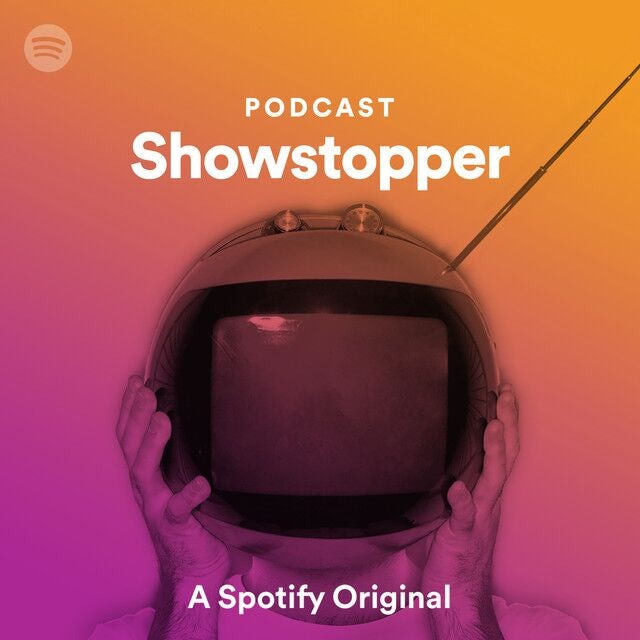
Spotify Showstopper Podcast image
Spotify uses duotone images for branding and cover art. Via Spotify

Spotify has been credited with their return to mainstream design by using duotone images in their app and promotional microsites. Designers are taking advantage of this technique as imagery created within a limited color palette is delightfully complimentary to semi-flat design.

With bold colours and beautiful application possibilities, duotones are one of the hottest trends of 2018.
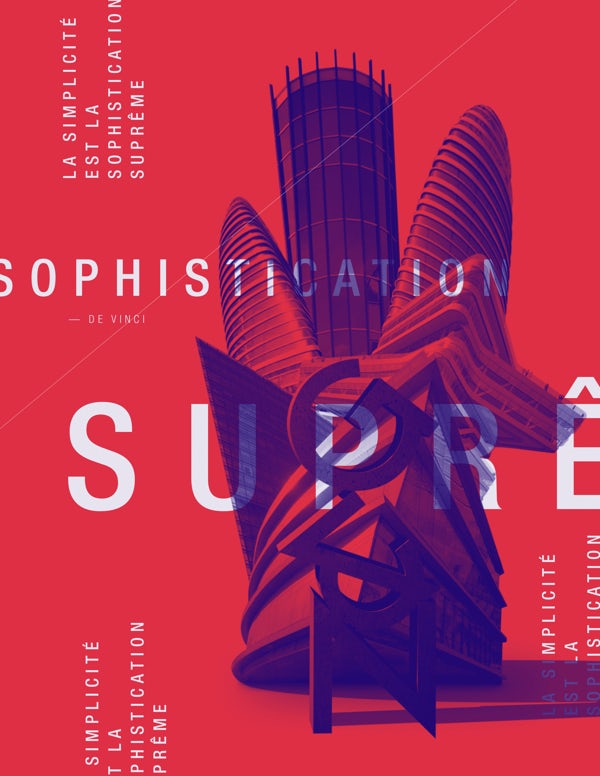
Duotone poster design

Duotone poster design for Gauthier & Nolet Architects. Via Jvstin Bechard
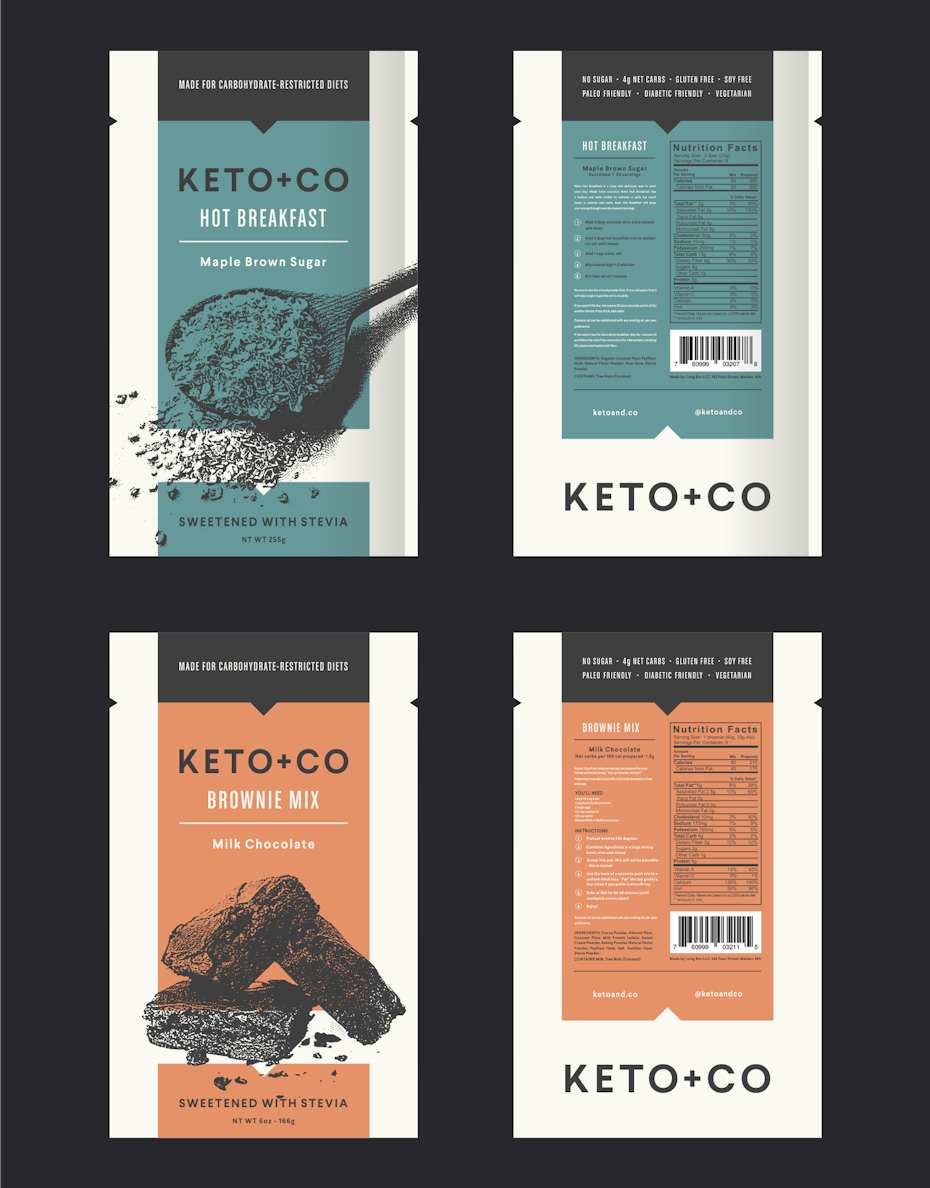
Keto + Co product packaging

Product packaging design by ::scott::
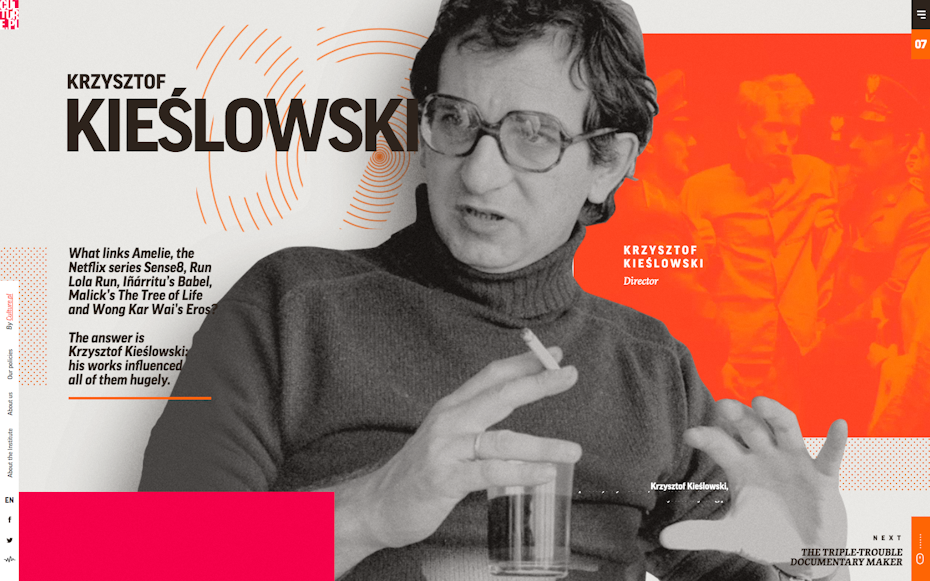
Cultulre.pl website screenshot

Duotones are used throughout the incredible website design for “Multimedia Guides to Polish Culture”. Via Culture.pl
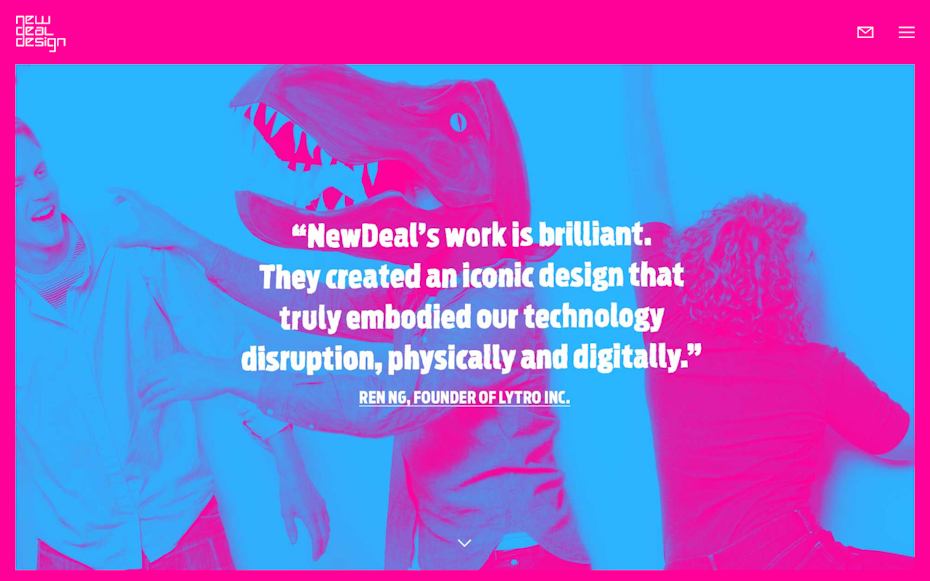
NewDealDesign website screenshot

NewDealDesign uses vivid duotone imagery everywhere. Via NewDealDesign

5. Palettes & patterns inspired by the 80’s & 90’s
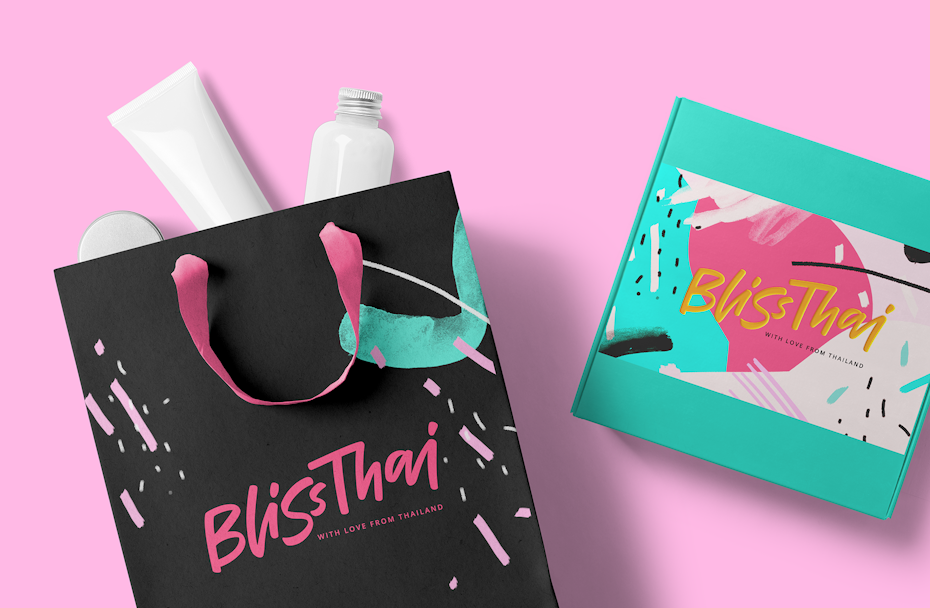
Bliss Thai’s 80’s inspired brand identity

Bliss Thai’s 80’s inspired brand identity. Via Daria Kwon
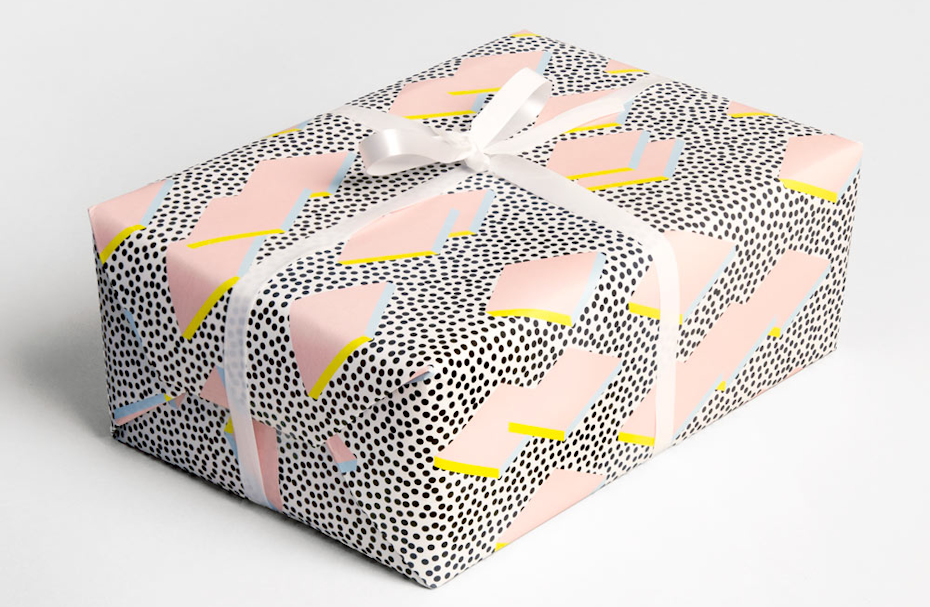
Write Sketch &’s high quality decorative paper

Write Sketch &’s line of stationery and decorative papers have an awesome 80’s-90’s vibe. Via Write Sketch &
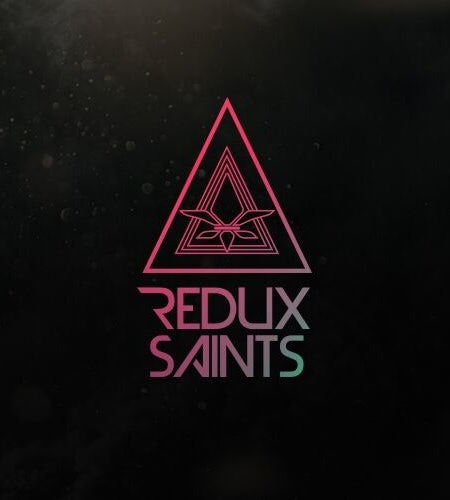
Redux Saints logo
Redux Saints Branding featuring an electric logo design by austinminded

From pretty pastels (“millennial pink”, anyone?) to electric hues, colour schemes from the 80’s and 90’s have been gaining popularity once again. With the movement away from ultra-flat designs, expect to see the abstract and geometric patterns inspired by the era move from the fringes into the mainstream as well.

As children of the 80’s and 90’s become more prominent and influential as both brand leaders and key target audiences, this trend can add visual excitement as well as a touch of nostalgia to your designs.
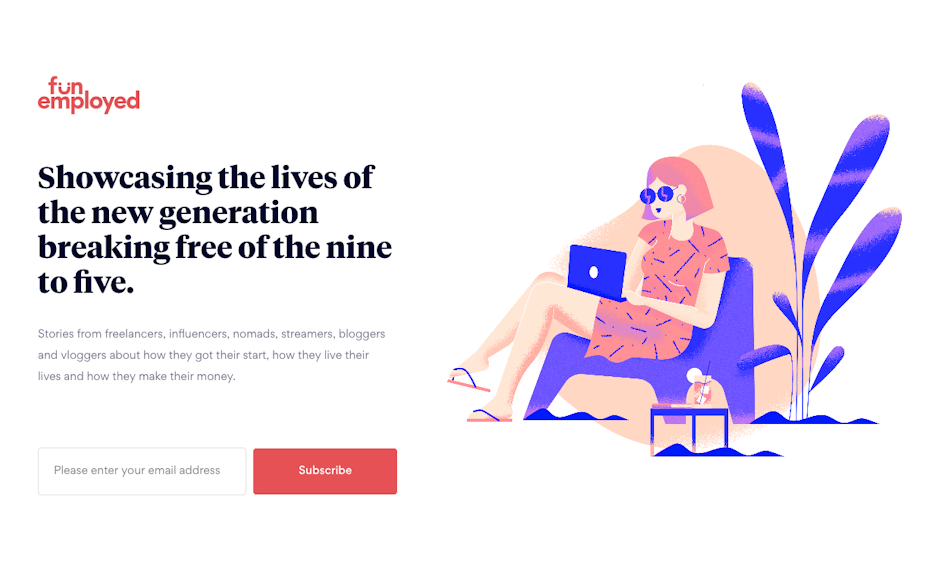
Fun Employed website screenshot

Fun Employed’s funky illustration is an amalgamation of retro and flat. Via Fun Employed
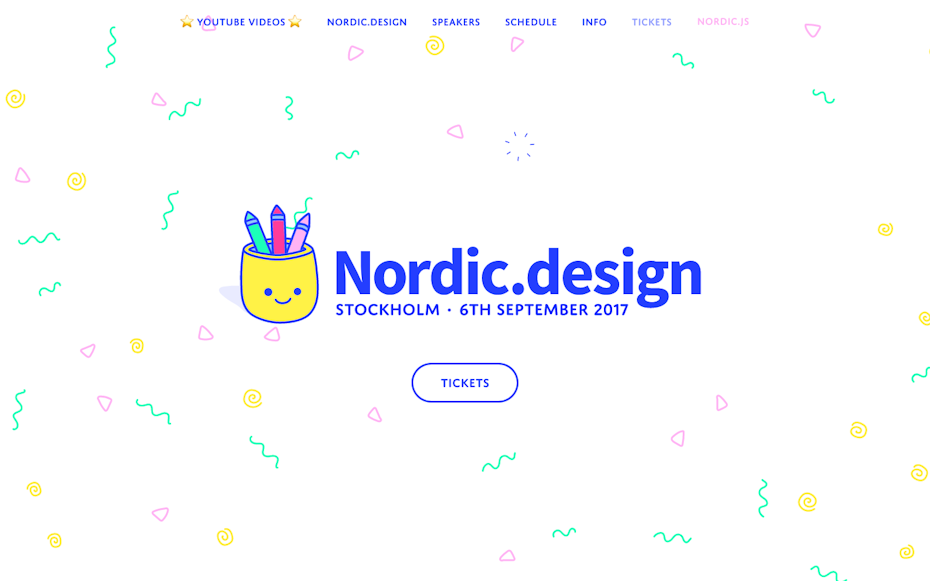
Nordic.design website screenshot

Nordic.design is down-right cute with it’s geometric patterns and neon colors. Via nordic.design
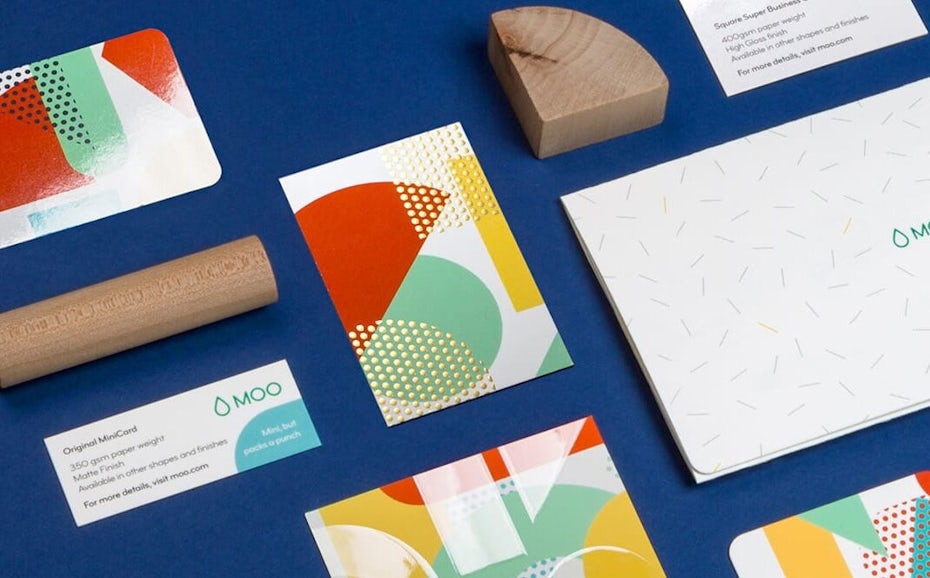
MOO’s business card sample pack
Bold colors and patterns jazz up MOO’s business card sample pack. Via MOO

6. Movement: animations & GIFs

You may be hearing a lot of buzz about microinteractions lately, but what exactly are they and why should you use them? Simply put, microinteractions are tiny animations used to communicate with users and help them perform tasks. They are a UX best practice, and possibly one of the biggest UX trends to date.
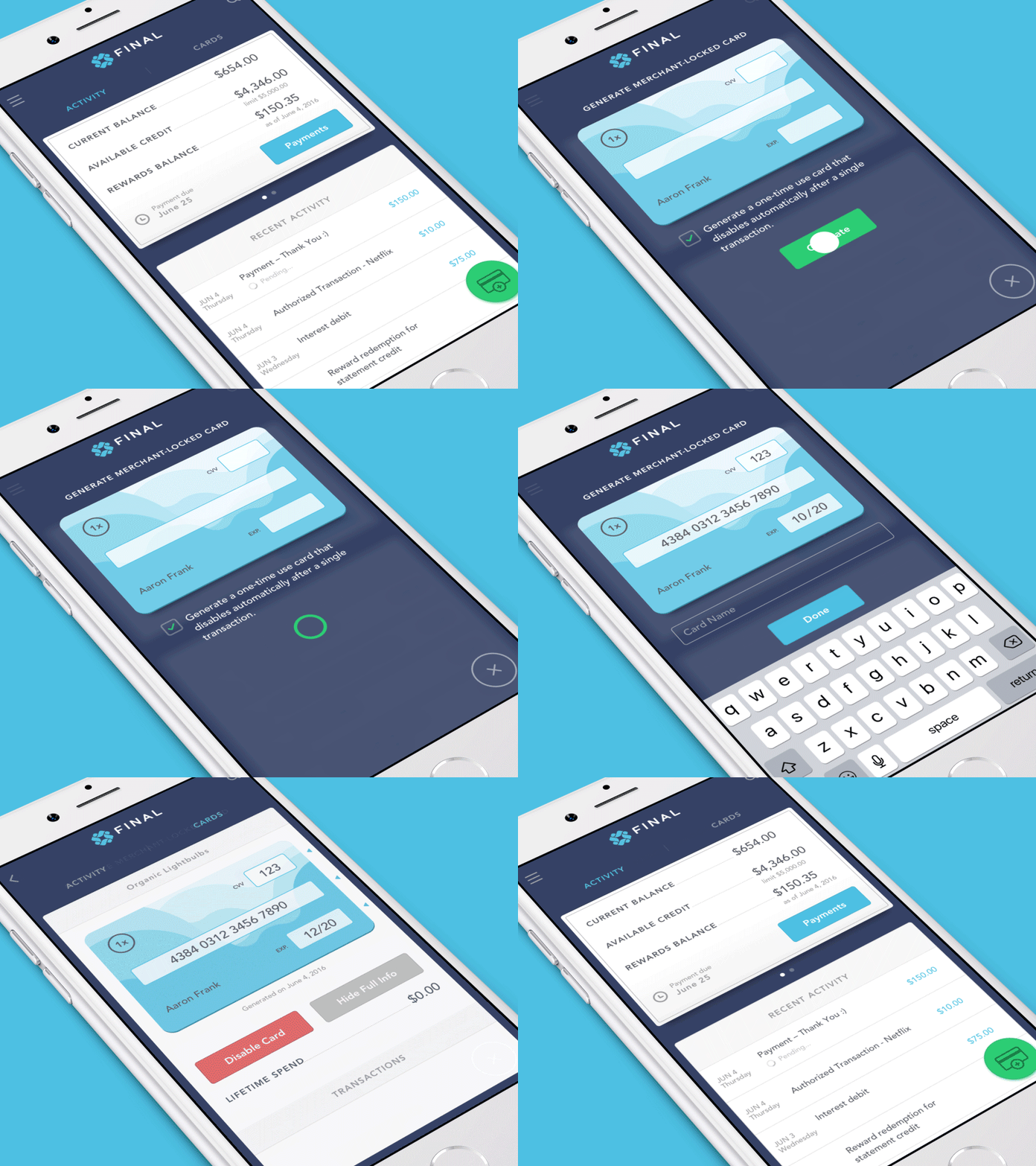
Final app gif

App interactions for Final. Via Ramotion

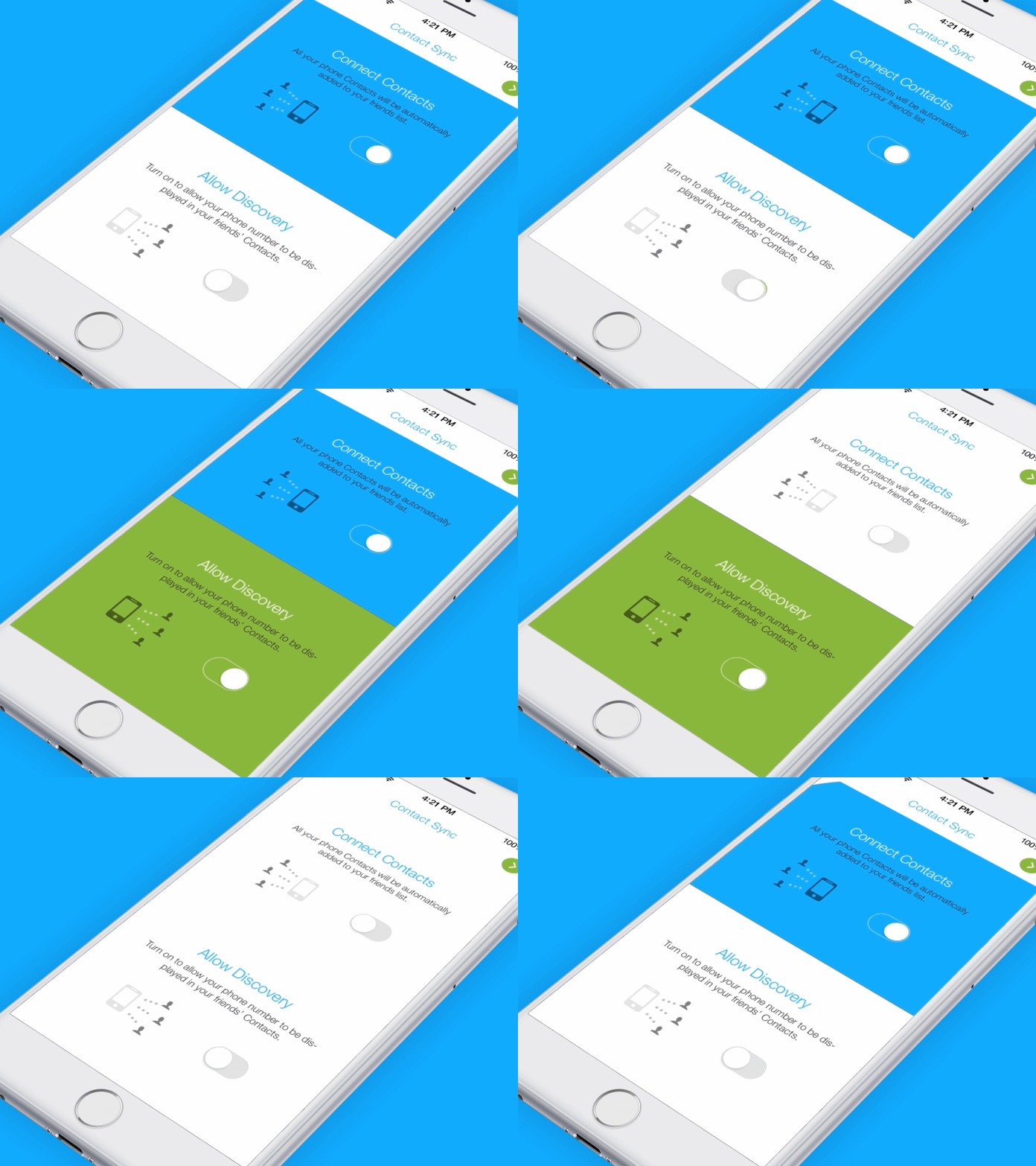
Contact sync gif

Contact sync microinteractions. Via Ramotion

Microinteractions are everywhere and though you may not be consciously aware of them, every time you receive a notification on 99designs, like a post on Facebook or swipe left on Tinder, you are engaging with microinteractions. They are particularly useful in making users feel like they are manipulating an interface by providing feedback for their actions. Paying attention to the details can really take your designs to the next level.
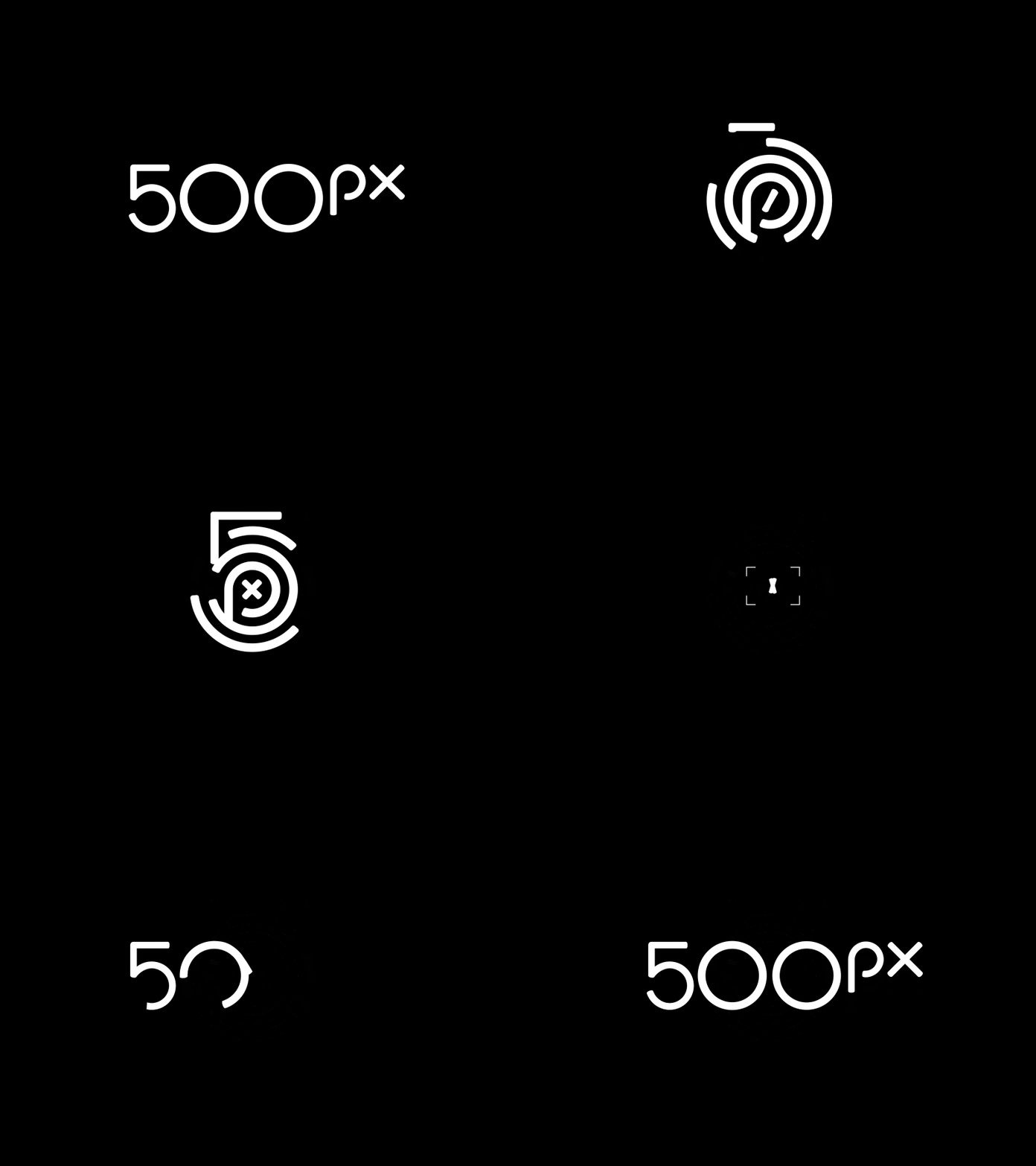

500px logo gif
The new movement of 500px. Via William Kesling for Focus Lab
Animations for the new Google brand system

Animations for the new Google brand system. Via Adam Grabowski

Uber logo gif

Official animated wordmark for Uber. Via Nicolas Girard

When it comes to larger animations, GIFs and SVGs are valuable tools for communicating ideas, concepts and processes while making content more engaging for users. GIFs have come a long way since their animated clip art days and have evolved to fit in fabulously with the modern web. Add interest to ads, email newsletters, illustrations, icons and logos by taking advantage of this trend. Animated GIF logos have really become a trend of their own and it’s easy to see why—they’re slick, clever and extremely appealing.
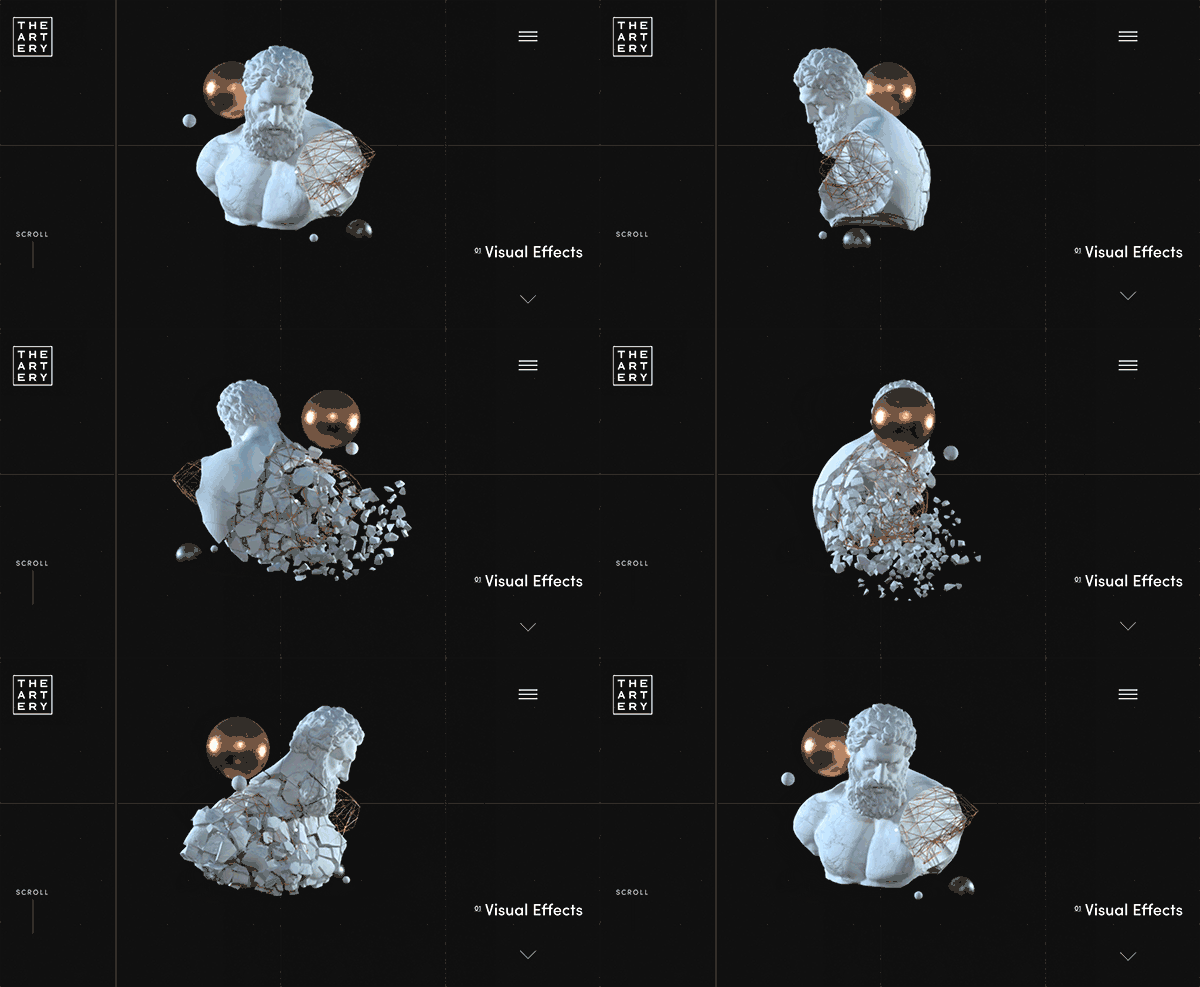
These aren’t your average GIFs. Via The Artery
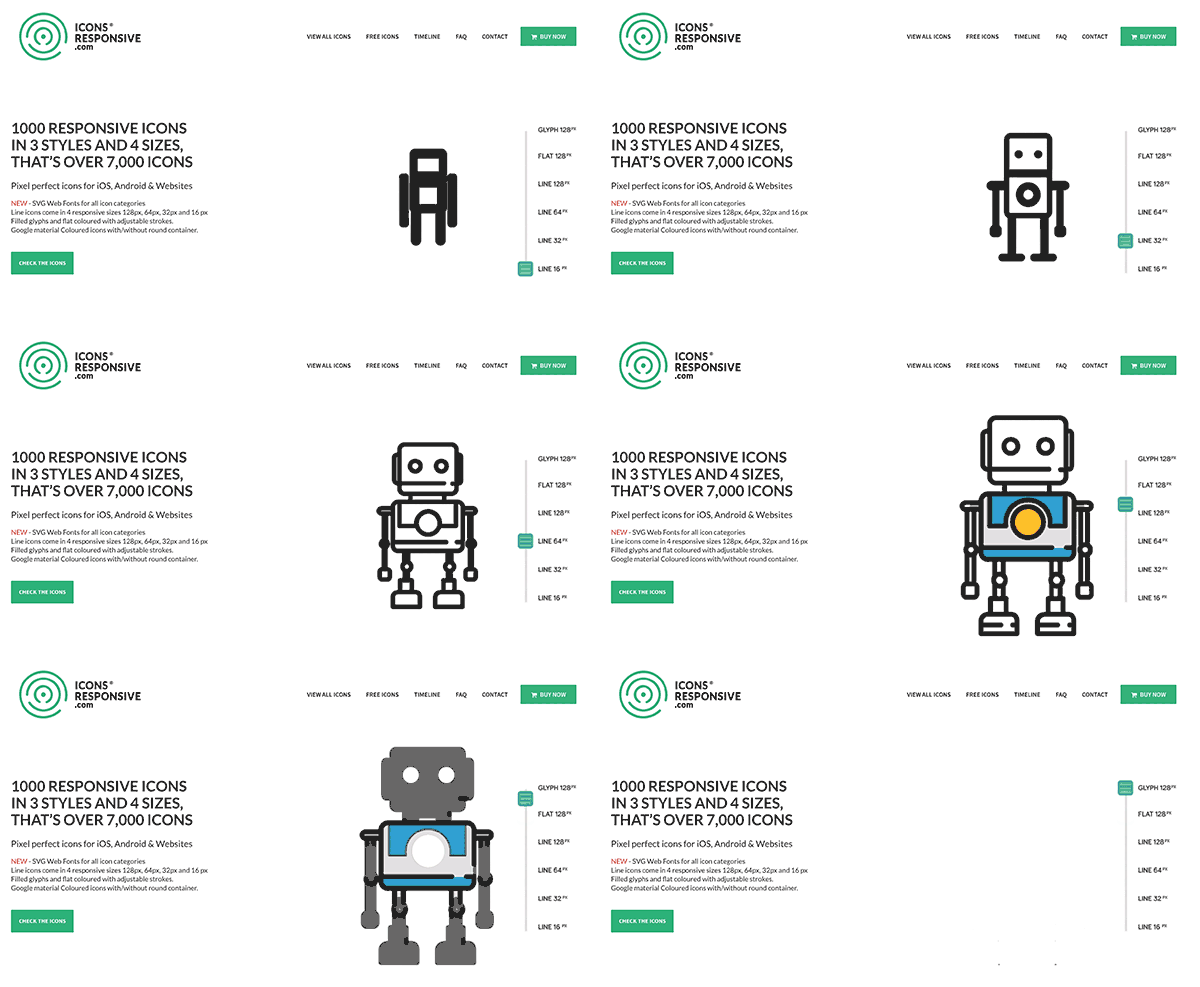
Icons Responsive animated header GIF demonstrates the concept behind their product. Via Icons Responsive
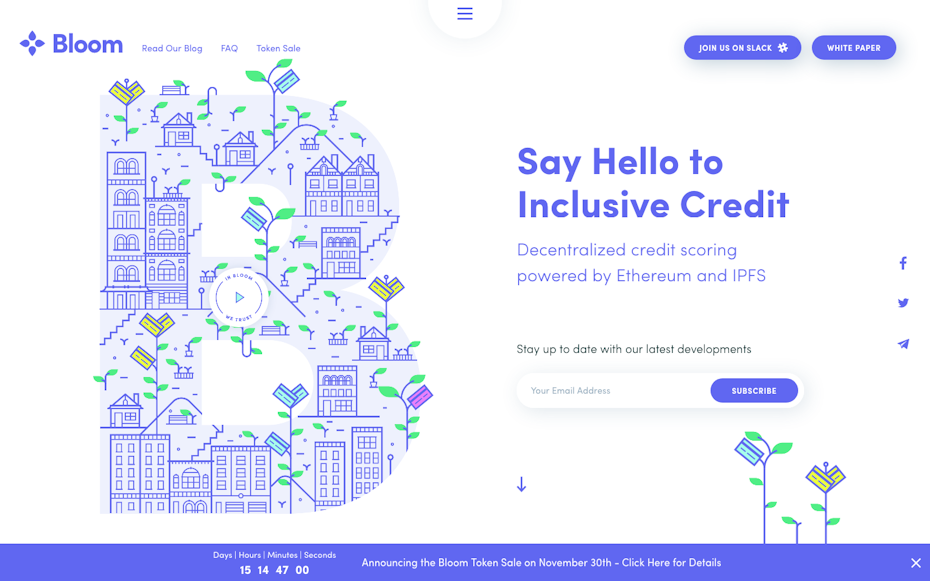
Bloom website screenshot
Bloom is brimming with illustrations and animations. Via Bloom

Speaking of appealing animation, the cinemagraph is making a come back! These animated images are essentially still photos with a repeating video loop for only a selection of the image. Think beautiful landscape with a single animated tree blowing in the wind. That contrast of movement on extreme stillness looks striking and surreal. Cinemagraphs are either videos or animated GIFs, and you can expect to see them coming to websites, apps and social media ad campaigns.

7. Bold typography (and serifs return to the screen!)
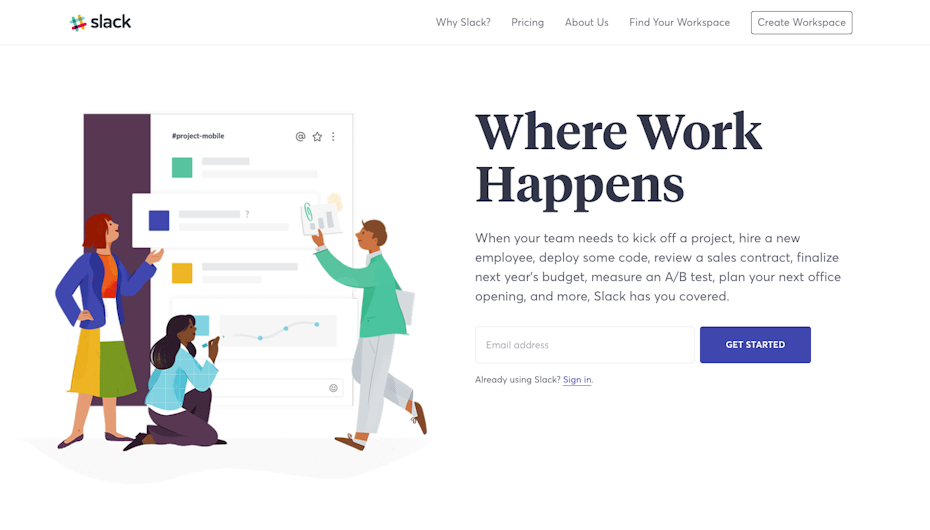
Slack website screenshot

Slack seamlessly integrates serif fonts into a flat design. Via Slack
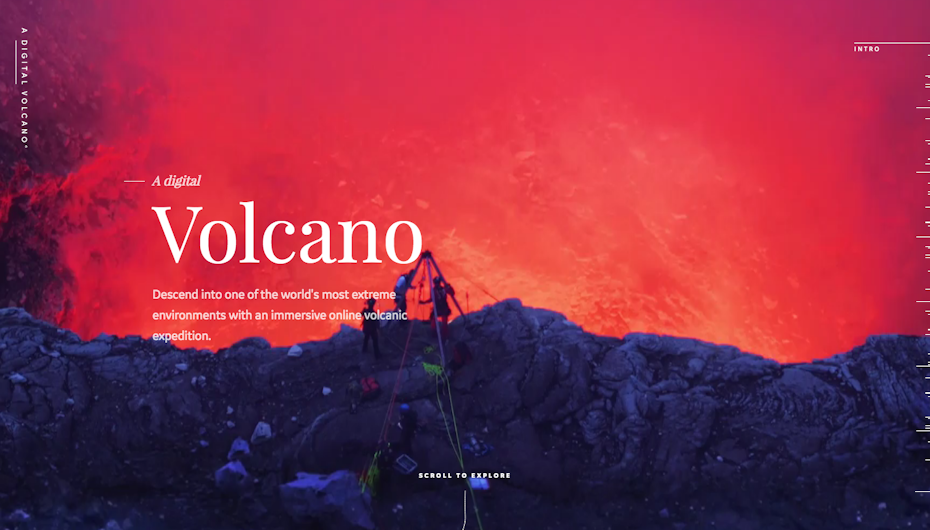
Digital Volcano website screenshot

Serif fonts help set the tone for this epic project. Via General Electric

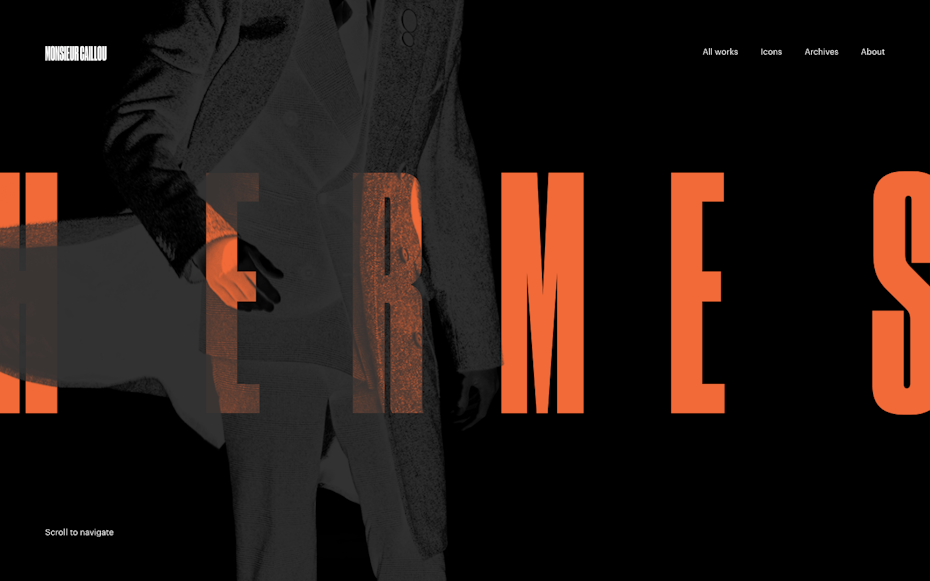
When it comes to typography in 2018 you’ll find that the bigger and bolder, the better. Designers will be opting for artistic effects, extra-large font sizes and huge headlines. Helvetica-inspired sans serifs have dominated digital spaces, and while they’ll remain as fashionable as ever (especially their extra-bold family members), we can expect more typeface variety in the coming year.
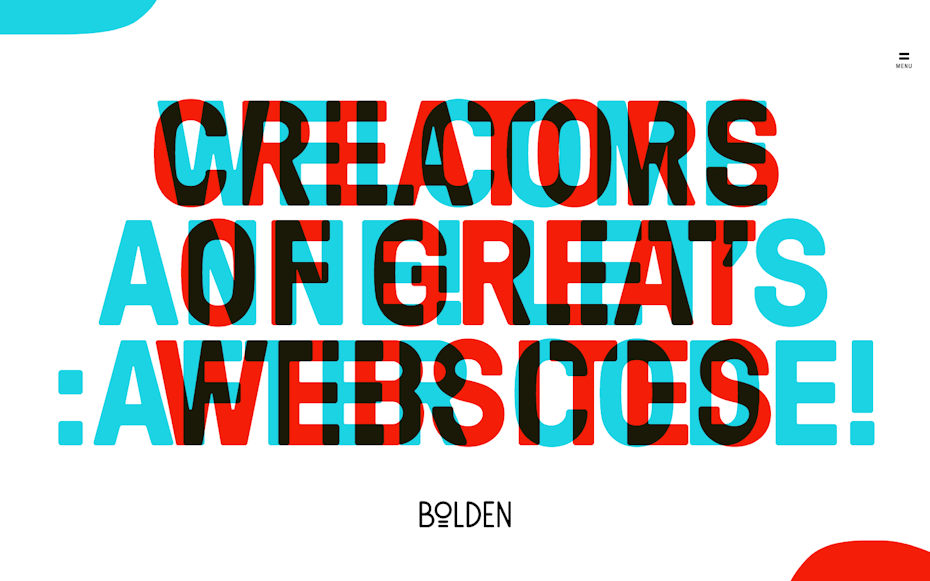
Bolden website screenshot
Bolden’s extra-large typography and hover animation is awesome. Via Bolden

This variety will include more decorative and hand-made fonts as well as—gasp!—serif fonts. Our serif font friends have been making a rapid reappearance on screens, especially when paired with sans serifs. With a demand for synchronization across all media, designers shied away from serifs almost entirely to avoid inconsistency as brands began to live more of their lives online. With the serif’s increasing acceptability on screens (likely due to better screens and Google Web Fonts’ impressive options), we can expect a ripple effect and for the serif to regain some of its former footing.
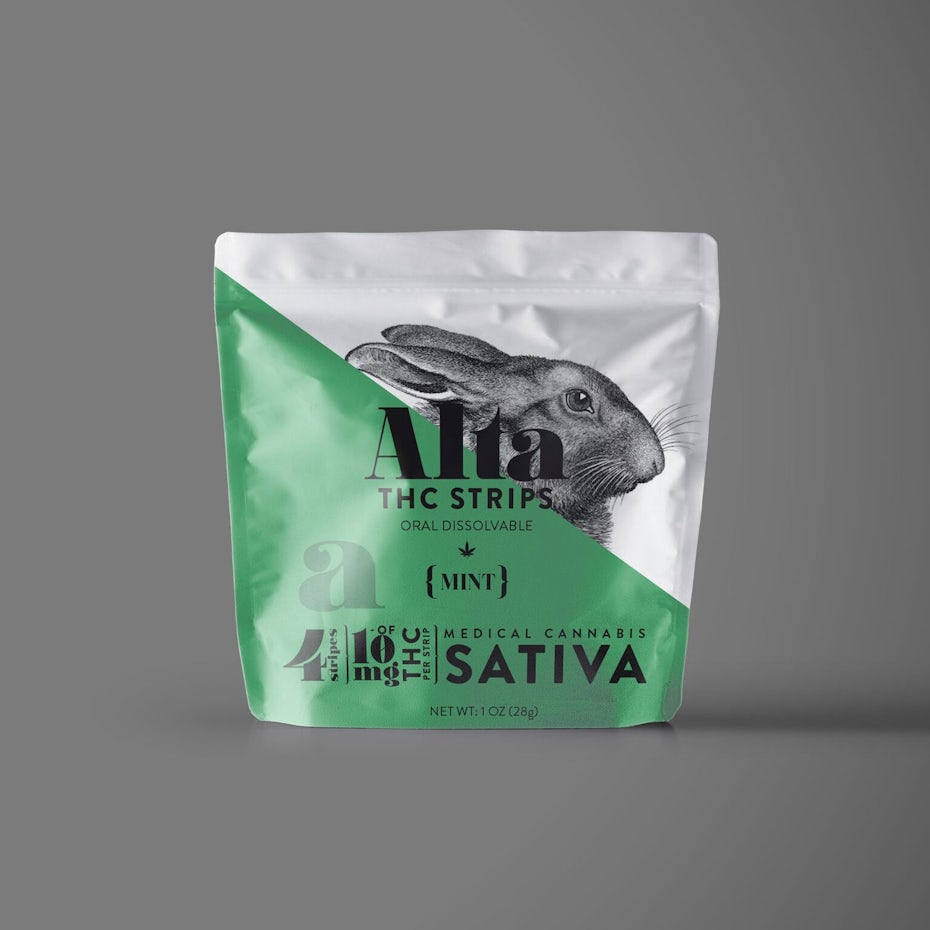
Alta packaging design

Alta packaging design concept by Fe Melo

Album artwork

Album artwork for Low High featuring creative typography by nevergohungry
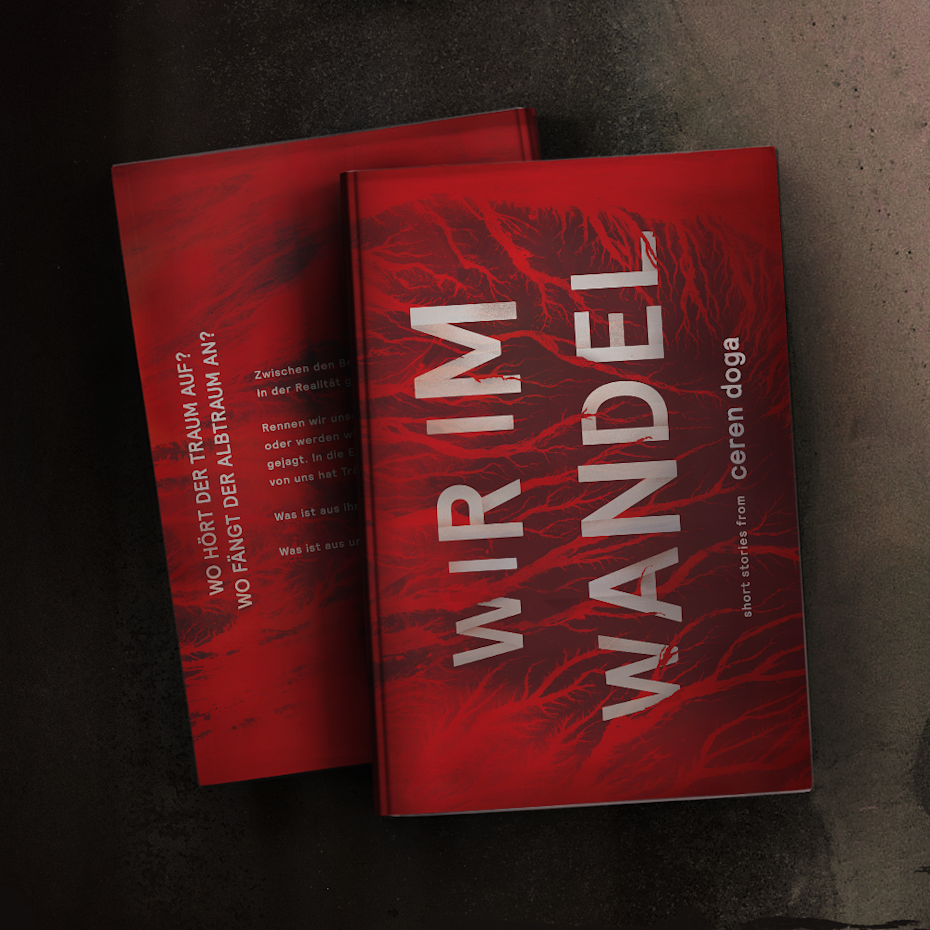
book cover

Wir Im Wandel book cover by nevergohungry

Trends mainly seen in print will also be finding their way on screen. These will include experimental and artistic typography, more creative layouts and placements involving imagery, and bolder variations in alignment and kerning.
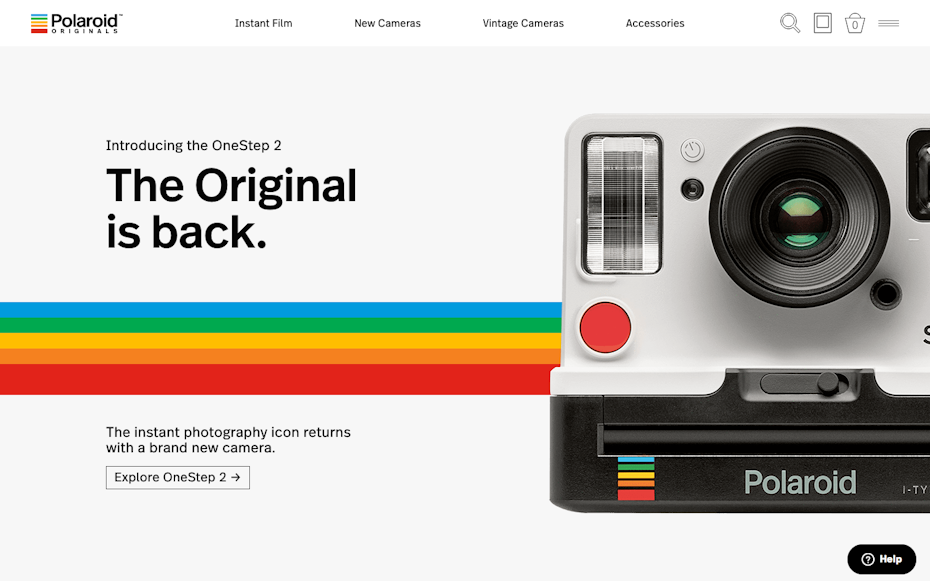
Polaroid website screenshot
So modern, yet so retro. Via Polaroid Originals
monsieur caillou website screenshot

Pierre Nguyen shows us bigger can be better. Via Pierre Nguyen
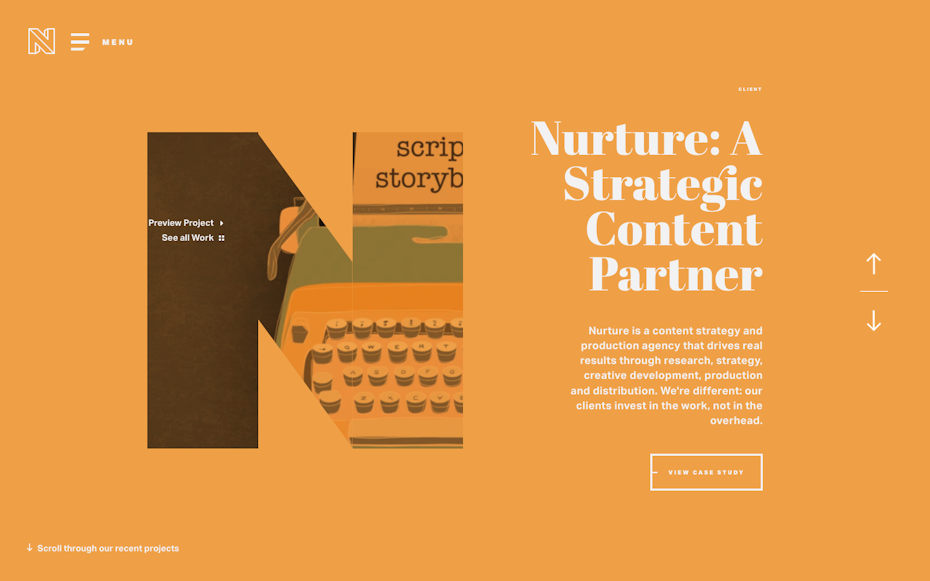
Nurture Digital website screenshot

Bold serifs and whimsical animations are a great pairing. Via Nurture Digital

8. Custom graphic art and illustration

custom typography logo

Stunning logo with custom typography. A collaboration by Dusan Klepic DK™ and ludibes
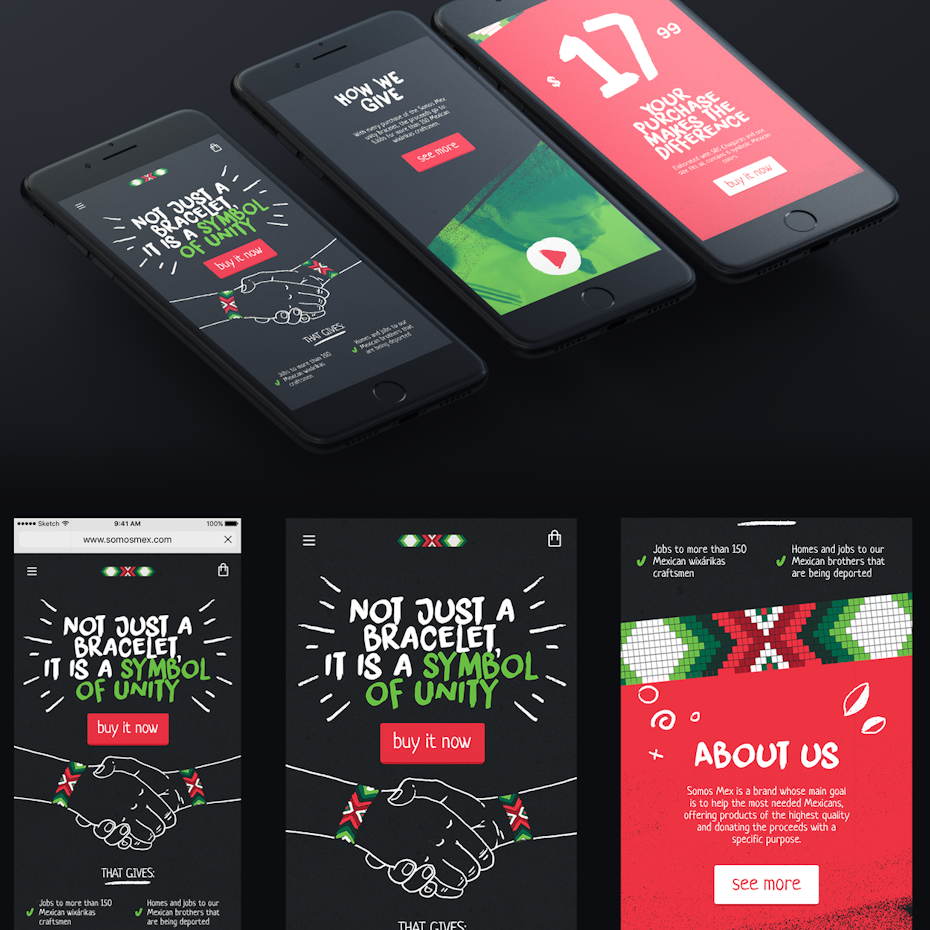
illustrated mobile site design concept

This illustrated mobile site design concept by boorykin is seriously amazing.
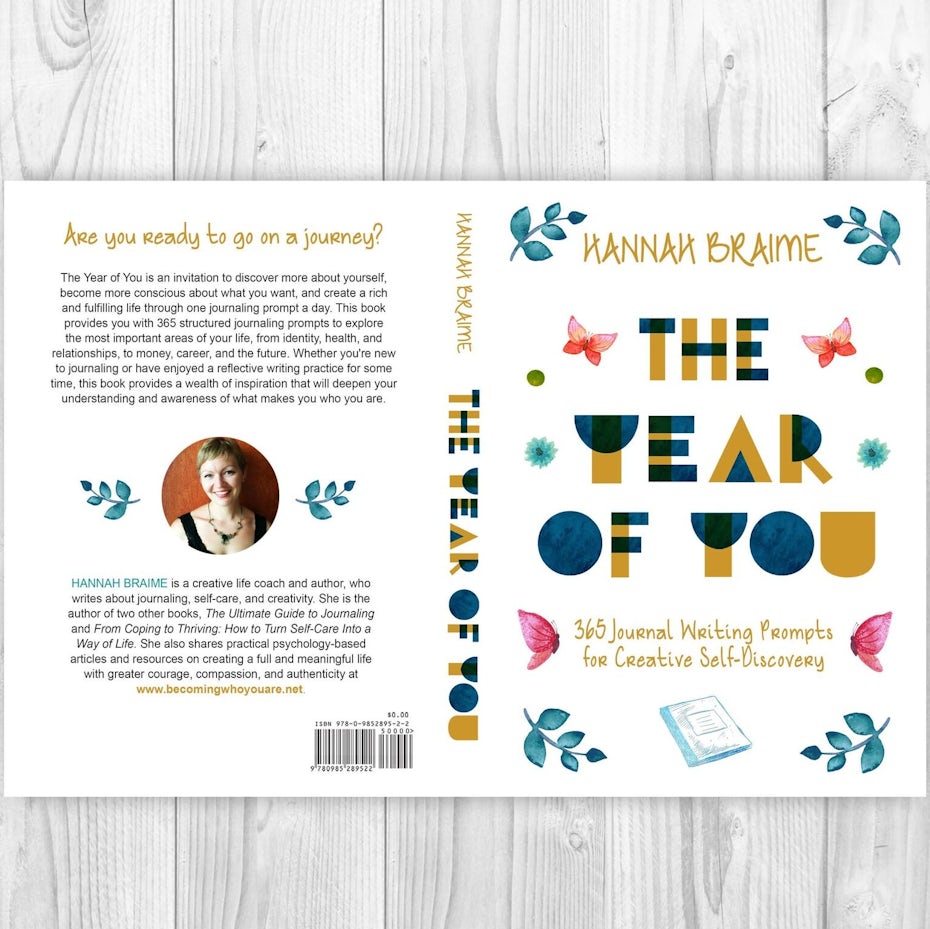
Book Cover Design

The Year of You book cover design for hannahs3 by LilaM

Whether they are whimsical, practical, or purely artistic, the demand for custom graphic art and illustrations will continue to grow in the new year. Custom imagery has always played a major role in print media. When it comes to digital media however (despite being a star player of Flash websites in the 2000’s), custom graphic art and illustration has taken a backseat to cheaper stock imagery alternatives for much of the last decade.
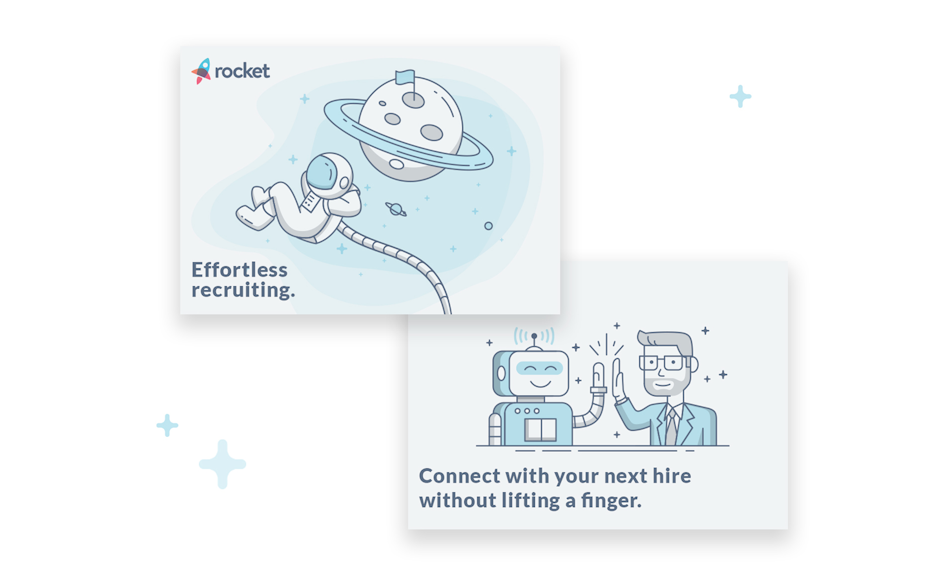
Rocket custom illustrations

Custom illustrations for rocket by SpoonLancer
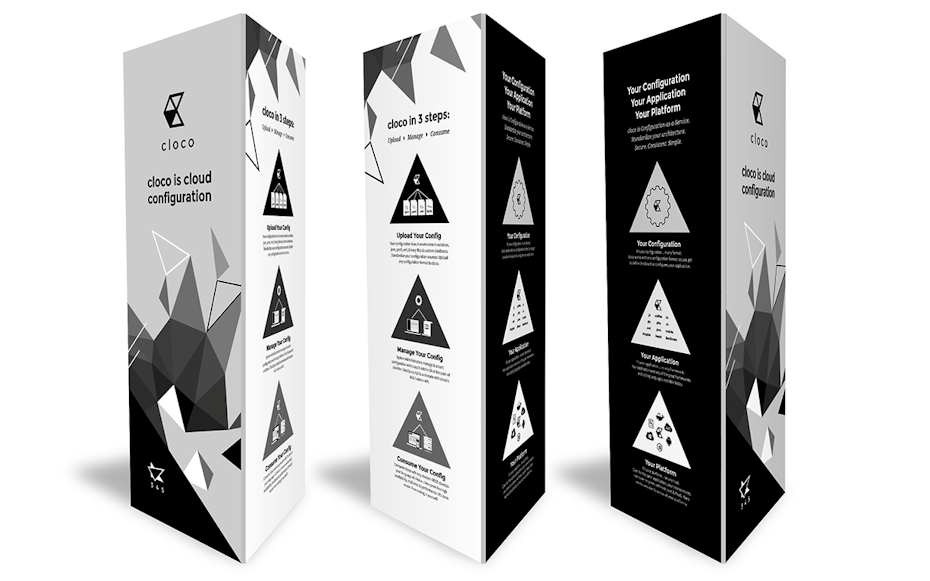
Trade show display

Trade show display design for cloco by Mila Jones Cann

The accessibility of stock left drawing, painting, calligraphy, artistic typography, photography and illustration underutilized on the modern web. This includes modern renditions of classic graphic design techniques like duotones and double-exposures for example, both of which are becoming trends of their own. The movement toward flat design also left little room for these embellishments and as we opted for icons and illustrations tailored to flat design trends, we left things looking a little homogenized.
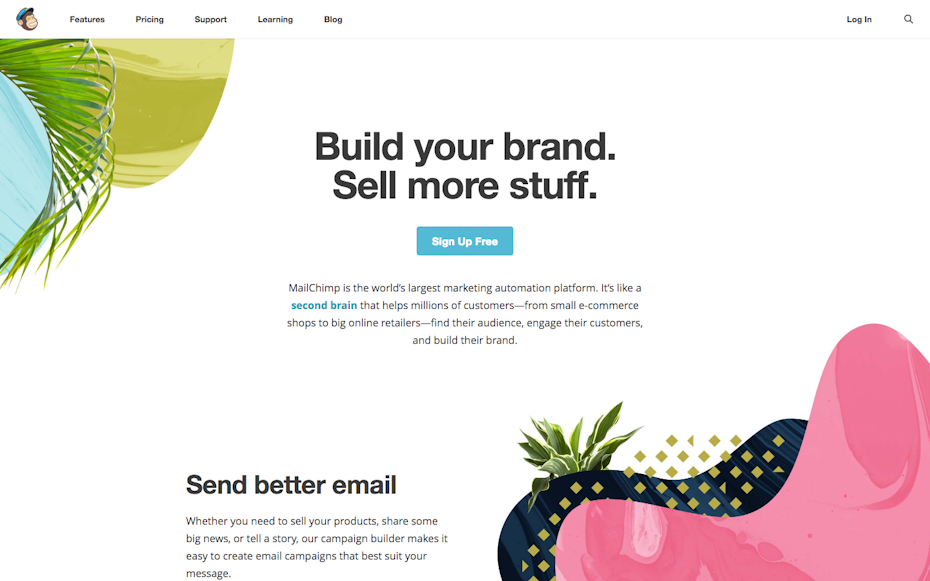
Mailchimp website screenshot

MailChimp’s fun 80’s inspired graphic art. Via MailChimp
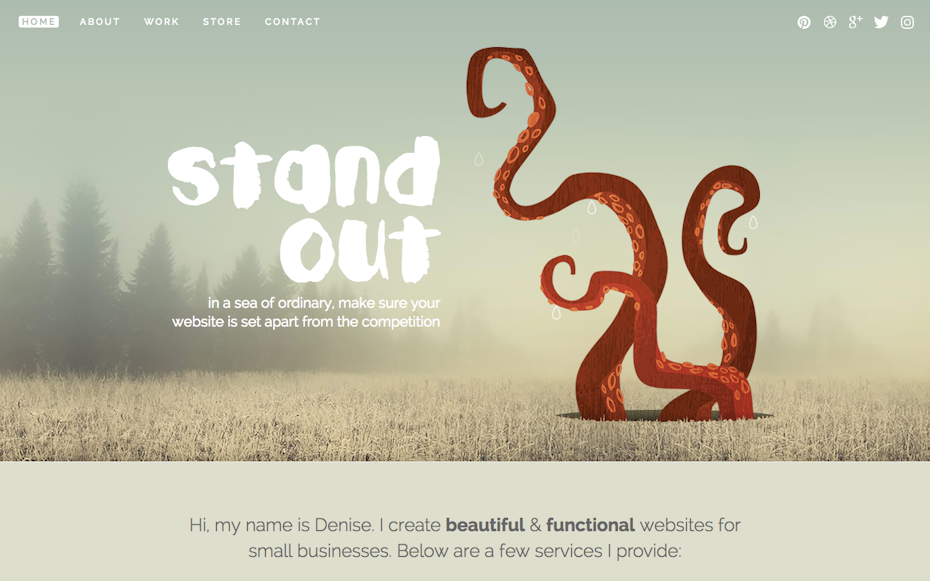
Whimsical tentacle illustrations

These illustrations are downright whimsical. Via Denise Chandler
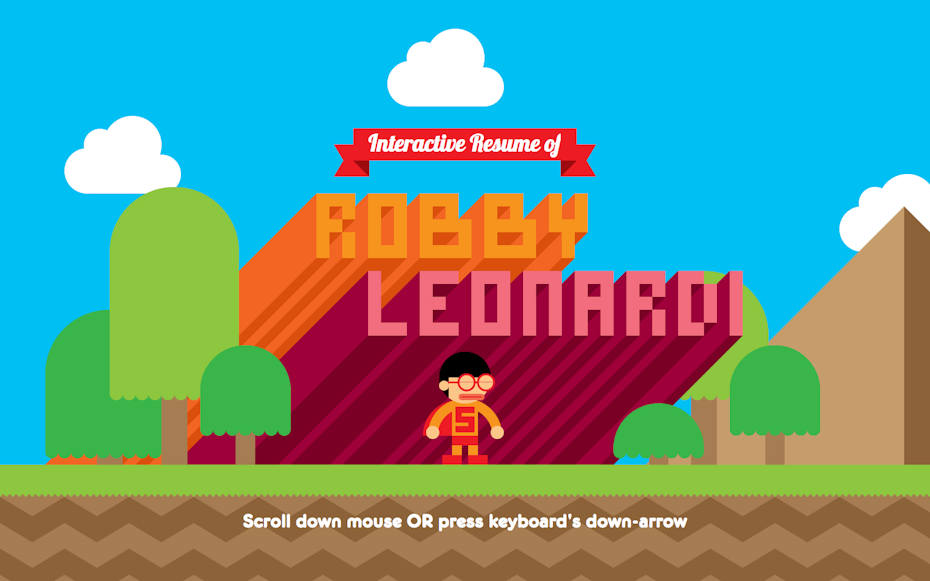
The game inspired interactive resume of Robby Leonardi screenshot

The game inspired interactive CV of Robby Leonardi. – This is one of my personal favorite CV’s. Designers please take note…

Custom artwork and illustration helps create a visual language which can really enhance and add personality to a brand. In 2018, you can feel free to get really creative as we’ll see more artwork in a broader range of styles surface as designers and their clients begin to untap the potential of these underused assets.
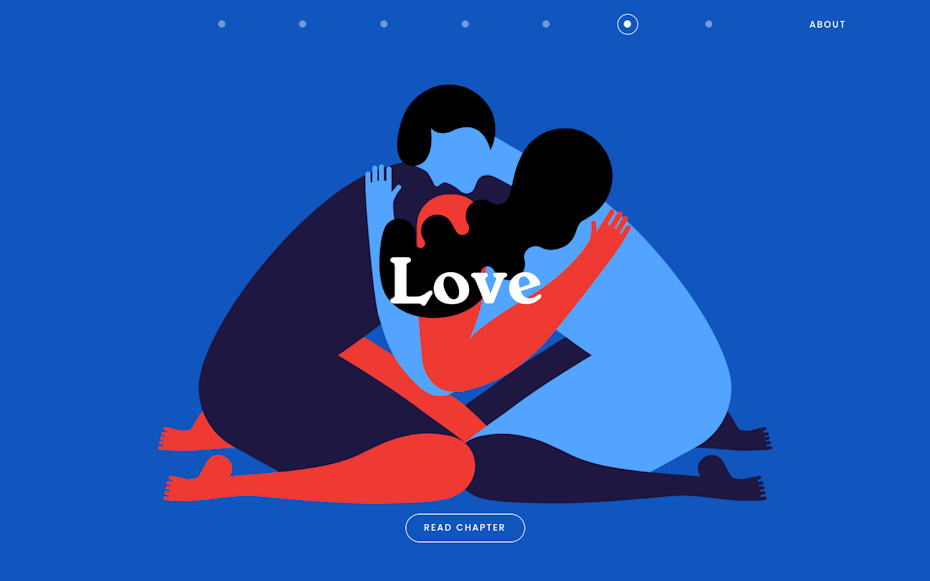
Matisse inspired illustration

These Matisse inspired illustrations with subtle animations are simply striking. Via Inside the Head
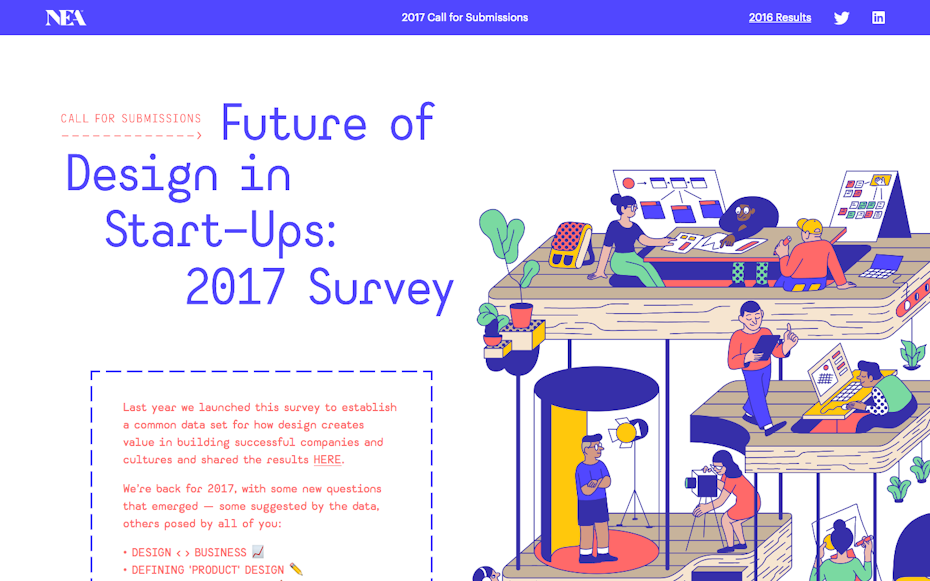
Part flat, part 80’s

Part flat, part 80’s, all custom. Via New Enterprise Associates
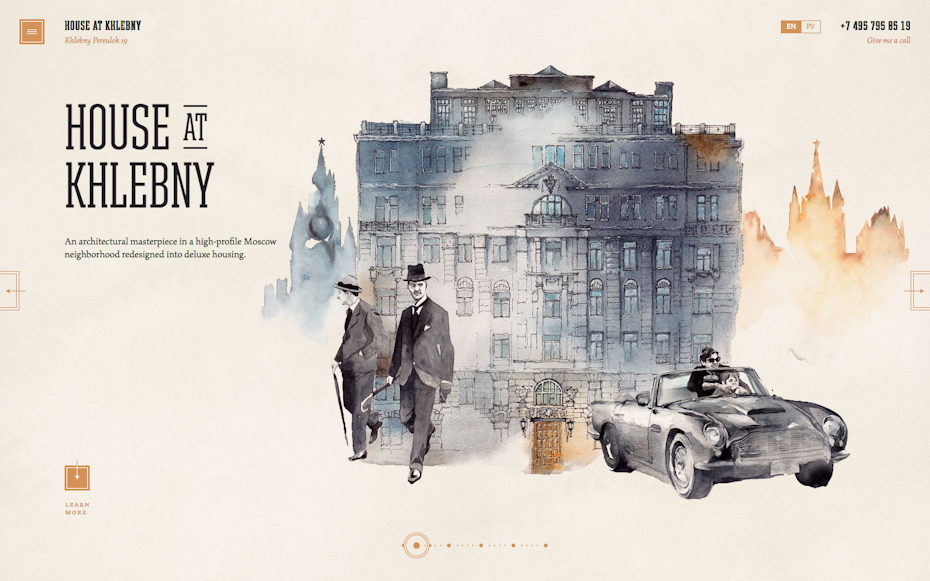
Delicate watercolor illustration
Delicate watercolor illustrations are timeless. Via House at Khlebny

9. Authentic photography

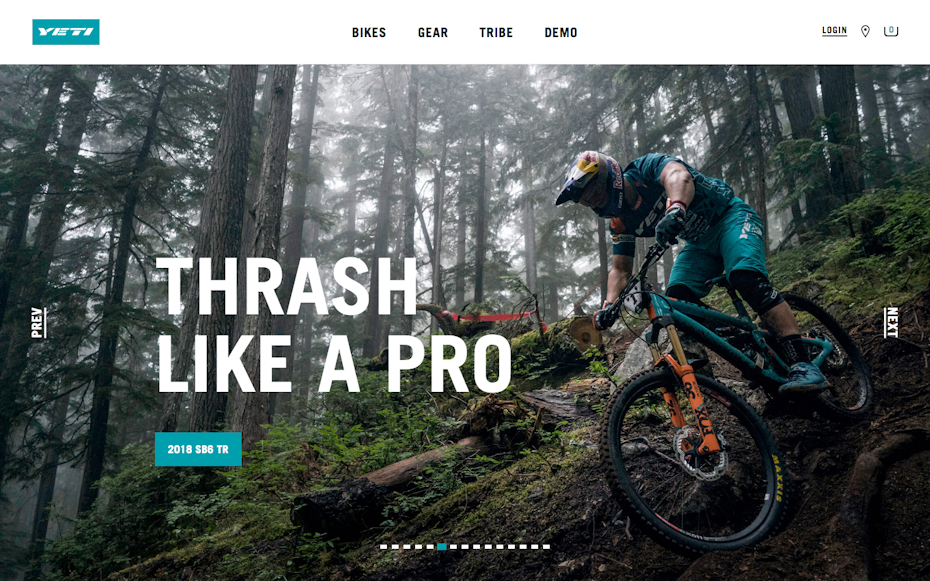
Yeti Cycles website screenshot
Yeti’s photography is action-packed. Via Yeti

Authentic photography looks and feels real. Whether you’re working with custom photos or selecting stock, look for images that convey emotion, contain action or tell stories. Unfiltered and unstaged photography was a huge part of advertising in the 90’s, and though we’re not quite sure why models spent the next 15+ years shaking hands and smiling at their screens, it’s refreshing to see natural (and more interesting) compositions return to the mainstream once again.
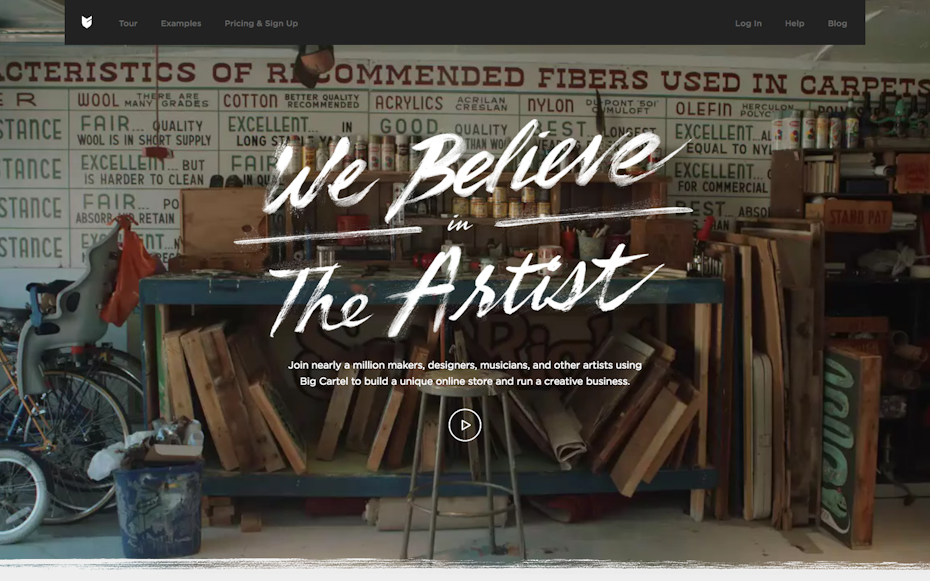
Big Cartel website screenshot

Big Cartel’s real life scenes relate to their artistic audience. Via Big Cartel
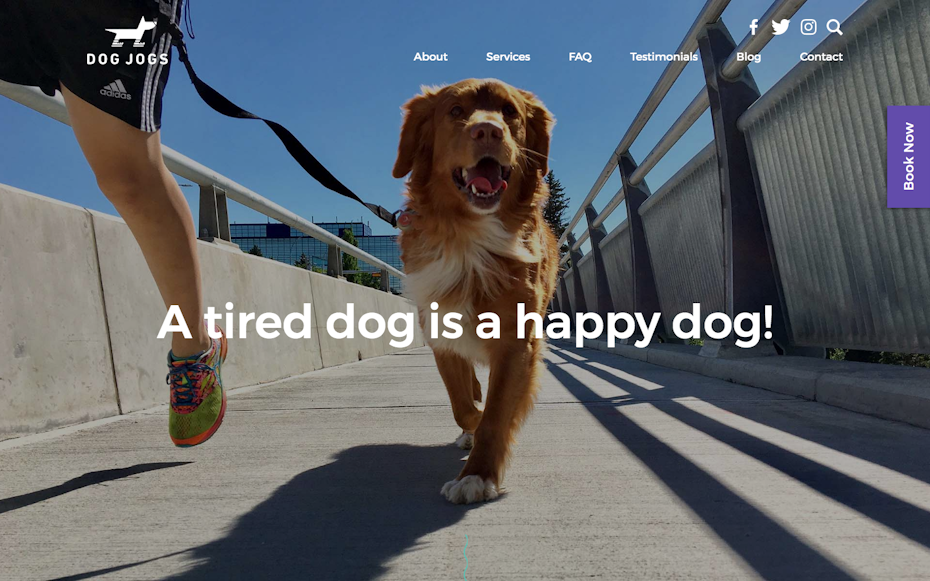
Dog walking on a leash

Seriously, how cute is this guy? Via Dog Jogs

Demand for real-life photography grew significantly in 2017 and will grow even more in 2018 as brands seek to connect with their users, and designers seek to rid the world of cheesy stock photography. Luckily there are lots of amazing photographers out there who are helping meet this demand through premium and free stock photography resources.
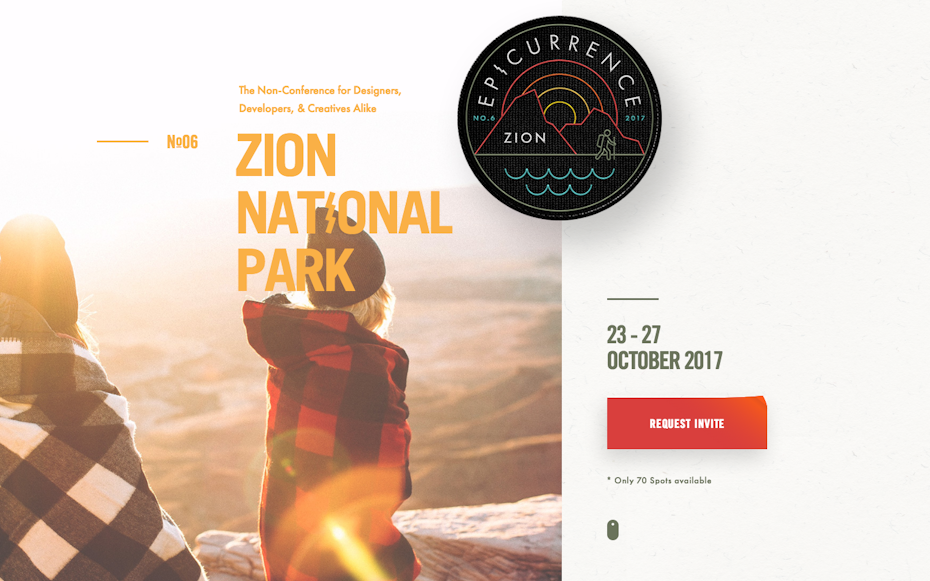
Epic action shots and scenery

This design is jam-packed with epic action shots and scenery. Via Epiccurrence
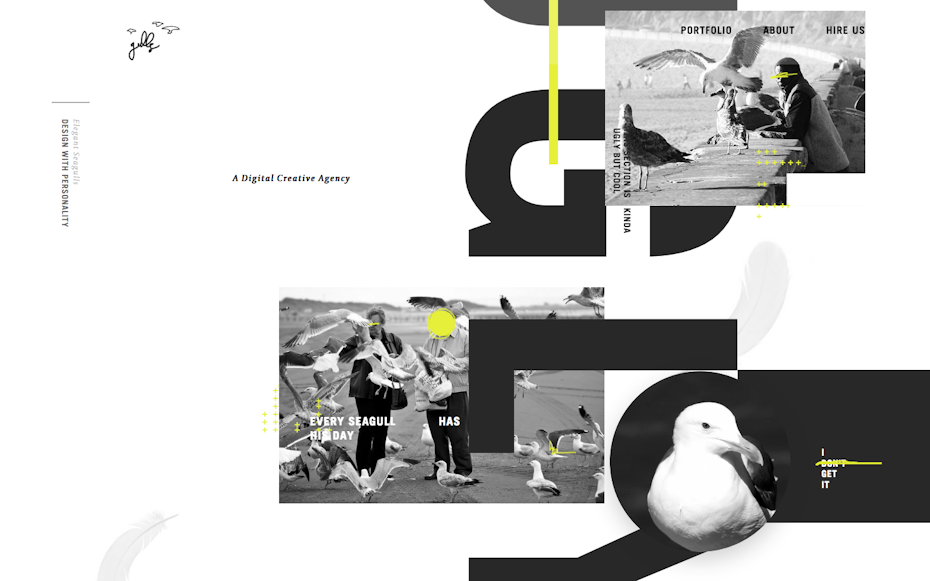
Elegant seagulls website screenshot

Elegant Seagulls combines custom photography with bold typography for a modern, creative look. Via Elegant Seagulls

– Mila Jones Cann

What are you doing to ensure your delivering great design work?

It’s an intriguing time in graphic design. The graphic arts are being revitalised as we’re beginning to see a resistance to the flat design movement. The design scene is about to get a lot more interesting as we continue to focus more on originality and the individuality of brands and their audiences. With so many old and new styles on the table, it will be a time of taking risks and breaking patterns. Are you ready to release your creativity? Check out some of our latest featured jobs that will get your creative juices flowing.

What other graphic design trends do you think will creep into the design space over the next year, let us know?


Filed Under: Career Advice, Latest Industry News Tagged With: design jobs, graphic design, graphic designer, ui/ux

WhiteHat Are Challenging The Idea That University Is The Only Path To The Best Careers.

September 13, 2018 by Julie McGrath

WhiteHat, a tech startup building an outstanding alternative to university through high quality apprenticeships, have announced a $4 million seed round led by Silicon Valley investor Lightspeed Venture Partners, with participation from Village Global, ShopTalk and Money 20/20 founder Anil Aggarwal, and British tech entrepreneur Wendy Tan White.

Launched in 2016, WhiteHat are challenging the idea that university is the only path to the best careers. They match ambitious non-graduate talent with apprenticeships across a wide range of sectors — including tech, professional services, finance and retail — and deliver top-class applied learning in partnership with General Assembly, Flatiron School, and other leading content providers.

Apprenticeships are becoming an increasingly important part of the UK employment landscape with over 400,000 people starting an apprenticeship in 2018. WhiteHat is leading on high quality apprenticeships for those starting their careers, and is already working with some of the most exciting companies in the UK, including Google, Facebook, WeWork, Salesforce, Warner Bros and Burberry. The apprenticeships last a minimum of 12 months and provide aspirational opportunities in digital marketing and social media, software engineering, accounting and finance, leadership, and business administration.

“We’re changing the way young people from all backgrounds are able to access the best careers and are partnering with Lightspeed to scale this global vision for the future of work,” said Euan Blair co-founder. “Every developed economy is facing a skills shortage, compounded by universities not adapting to the changing nature of the labour market and, with dramatically rising university costs, students are increasingly looking for alternatives. Finally, nearly every major company in the tech, creative and professional services space is trying to figure out how to introduce more diversity into their organisations.”

“The solution needs to combine top-class applied learning, linked to specific roles, with a job at a great employer that doesn’t cost the user huge amounts of money — that’s what we’re providing at WhiteHat,” commented Euan.

“For the first time we’re presenting a compelling alternative to university both in terms of career prospects and earning potential via apprenticeships. As we look to the future of work, employers are understanding that applied learning is more useful than academic knowledge,” said Sophie Adelman co-founder.

“There’s an immediate opportunity in the UK for a better approach to apprenticeships, driven by the introduction of the Apprenticeship Levy in April 2017: every single employer with offices in the UK and a payroll of £3m a year or more, needs to spend 0.5% on apprenticeship training or forfeit the money as a tax. At WhiteHat we provide an effective way to deploy their levy funds by developing a diverse pipeline of talent who will become the future leaders in their organisations. This enables companies to future-proof their businesses with the skills they need and will increase retention and employee satisfaction over the long term.”

The funding round, led by Silicon Valley-based Lightspeed Venture Partners, is their second UK investment and their first at seed stage. Lightspeed is a leading global venture capital firm, with over $6bn of committed capital under management. Lightspeed has backed a range of global leaders, with early investments in Snap, Mulesoft, TaskRabbit, AppDynamics, Nest, and StitchFix.

Lightspeed partner Nakul Mandan will be joining WhiteHat’s board. “WhiteHat are redefining how high school graduates can kickstart a great career and a lifelong education. At the same time, WhiteHat’s apprenticeship program enables companies to attract and engage with high quality talent at an early age, and that’s what the best of the best companies always try to do. It’s not surprising that in a short time, WhiteHat have been able to attract some of the world’s top companies as their customers. We’re very excited to partner with Euan and Sophie on this journey, and help them scale the business in the UK and beyond,” said Mandan.

WhiteHat is also announcing that Josh Bersin is joining the company as an advisor. Josh is an independent analyst and founder of Bersin™ by Deloitte. “Of all the ways people prepare for their careers, apprenticeship has always been one of the most valuable. WhiteHat’s unique model has the potential to help people of any age upskill themselves, prepare for a career, or evolve into a new role,” said Josh.

“Employers have been looking for a solution like this for years, so I believe WhiteHat is in the right place at the right time.” Bersin is a contributor to Deloitte’s annual Global Human Capital Trends report.

Studies show that staff members that are continuously learning and developing are more likely to stay within their current job. If you are an employer and want to know more about apprenticeships please get in touch with us. Now you have the chance to train your staff with Graffiti Recruitment at no additional cost, and give them recognized industry qualification.


  • Syncni

Filed Under: Career Advice Tagged With: apprenticeships, Training

IBM Has Patented a Coffee Delivery Drone that Knows When You’re Tired

August 23, 2018 by Julie McGrath

Do we really need a drone to read our heart rates and eye movements to know we need a cup of java?

f you’ve grown weary of neck-bearded baristas in flannel and waiting in line for £5 eight-ounce cold brews, then you’ll be happy to know that soon you may be able to avoid that experience altogether in order to get your morning caffeine fix. The harbinger of death for the third-wave coffee shop has arrived, and it has taken the form of a coffee-delivering drone, designed by none other than IBM. And it knows when you need a jolt probably before you even do.

According to a patent document made available to the public by the US Patent and Trademark Office, IBM was granted a patent for an unmanned aerial vehicle, or UAV, that delivers coffee or another “caffeine containing drink” to an individual who has placed an order, or to an individual in a crowd “for whom an electronic analysis of sensor data indicates to be in a predetermined cognitive state” requiring caffeine. All this means that a coffee-carrying drone could use various forms of electronic analysis to predict who needs a pick-me-up and who doesn’t, including motion sensors to know if someone’s head might be drooping in a mid-afternoon lull, or reading Fitbit data to know what time someone might have just woken up and be in need of a jolt. If given access to your medical data, it would know if you’re taking medication that interacts badly with caffeine, and would skip you over.

The patent for this drone, designed with office buildings or public event spaces like convention halls or festivals in mind, was first filed back in 2015 by IBM, the company known for creating business technologies that changed the way the world does work. The company currently holds record for the most US patents generated by a business for 25 consecutive years, according to Wikipedia.


It’s not the first company to develop a coffee delivery system that uses drones. Last year, a drone-focused logistics company called Matternet tested its coffee delivery via drone in the skies of Zurich, Switzerland. Back in 2014, an Amsterdam-based company called Coffee Copter demonstrated a version of its own system, which relied on an app as the user interface for placing coffee orders in an office setting. Just this past Monday, Wing, another drone delivery logistics company out of Australia, demonstrated its product for a local member of the Australian parliament in Canberra.

What those delivery systems lack, however, is the “smart” technology that IBM designed to read an individual’s vitals and predict when they’ll need a caffeine fix. Other coffee-focused drone companies are merely semi-automated delivery guys who still rely solely on you placing the order first.

This patent enters the world just as increasingly common work perks in the tech industry such as in-office free cafeterias and gyms are being reconsidered, or at least reframed as a means for companies to keep employees working as long as possible rather than just well-meaning offerings from our corporate overlords.

Is it better that a drone use facial recognition software to detect that your eyes are drooping around 4:30 and bring you a flat white, or should we be getting our blood flowing with a quick jaunt to the local coffee shop? That’s for you and your Fitbit to decide—you still need to get your steps in, after all.


  • Munchies 

Filed Under: Career Advice Tagged With: Caffeine, Coffee, Drones, IBM, technology

8 Skills That Will Help You Get A Job In Big Data Or Data Analytics

June 11, 2018 by Julie McGrath

8 skills that will help you a get a Job in Big Data

The secret is out, getting a Job in Big data is the newest hot topic, as Big Data is now seen as the ‘New Gold’! The mad rush is on to leverage big data analytic tools and techniques for competitive advantage. If you’re on the hunt for a new Job in big data, here are 8 highly sought after skills, that will help you a get that Job.

1. Apache Hadoop

Sure, it’s entering its second decade now, but there’s no denying that Hadoop had a monstrous time and is positioned for an even bigger year as test clusters are moved into production and software vendors increasingly target the distributed storage and processing architecture.The raise of Apache Hadoop created lots of new IT jobs in big data as the  platform is powerful, Hadoop can be a fussy beast and requires care and feeding by proficient technicians. Those who know there way around the core components of the Hadoop stack–such as HDFS, MapReduce, Flume, Oozie, Hive, Pig, HBase, and YARN–will be in high demand, and alternatively this will create lots of new IT jobs.

2. Apache Spark

If Hadoop is a known quantity in the big data world, then Spark is a black horse candidate that has the raw potential to eclipse its elephantine cousin. The rapid rise of the in-memory stack is being proffered as a faster and simpler alternative to MapReduce-style analytics, either within a Hadoop framework or outside it. Best positioned as one of the components in a big data pipeline, Spark still requires technical expertise to program and run, thereby providing IT job opportunities for those in the know.

bigdata1

Source: Dice Tech Salary Survey

On the operational side of the big data house, distributed, scale-out NoSQL databases like MongoDBand Couchbase are taking over IT jobs previously handled by monolithic SQL databases like Oracle and IBM DB2. On the Web and with mobile apps, NoSQL databases are often the source of data crunched in Hadoop, as well as the destination for application changes put in place after insight is gleaned from Hadoop. In the world of big data, Hadoop and NoSQL occupy opposite sides of a virtuous cycle.

3. Machine Learning and Data Mining

People in IT jobs have been mining for data as long as they’ve been collecting it. But in today’s big data world, data mining has reached a whole new level. One of the hottest IT Jobs in big data last year is machine learning, which is poised for a breakout year. Big data pros who can harness machine learning technology to build and train predictive analytic apps such as classification, recommendation, and personalization systems are in super high demand, and can command top dollar in the IT job market.

4. Statistical and Quantitative Analysis

bigdata2

This is what big data is all about. If you have a background in quantitative reasoning and a degree in a field like mathematics or statistics, you’re already halfway there. Add in expertise with a statistical tool like R, SAS, Matlab, SPSS, or Stata, and you’ve got this category locked down. Thanks to the big data boom, companies in all sorts of industries across the country are in need of ‘geeks’ with quantitative backgrounds and has created a boom in Big Data jobs.

5. SQL

The data-centric language is more than 40 years old, but the old grandpa still has a lot of life yet in today’s big data age. While it won’t be used with all big data challenges (see: NoSQL above), the simplify of Structured Query Language makes it a no-brainer for many of them. And thanks to initiatives like Cloudera‘s Impala, SQL is seeing new life as the lingua franca for the next-generation of Hadoop-scale data warehouses and IT Jobs.

6. Data Visualization

Big data can be tough to comprehend, but in some circumstances there’s no replacement for actually getting your eyeballs onto data. You can do multivariate or logistic regression analysis on your data until the cows come home, but sometimes exploring just a sample of your data in a tool like Tableau or Qlikview can tell you the shape of your data, and even reveal hidden details that change how you proceed. And if you want a job as a  data analyst, being well-versed in one or more visualization tools is practically a requirement.

7. General Purpose Programming Languages

bigdata3

Having experience programming applications in general-purpose languages like Java, C, Python, or Scala could give you the edge over other candidates when applying for big data or any similar IT Job. According to Wanted Analytics, there was a 337 percent increase in the number of IT  job postings for “computer programmers” that required background in data analytics. Those who are comfortable at the intersection of traditional app development  and emerging analytics will be able to write their own tickets and move freely between end-user companies and big data startups.

8. Creativity and Problem Solving

No matter how many advanced analytic tools and techniques you have on your belt, nothing can replace the ability to think your way through a situation. The implements of big data will inevitably evolve and new technologies will replace the ones listed here. But if you’re equipped with a natural desire to know and a bulldog-like determination to find solutions, then you’ll always have Big Data or Data Analytics job offers waiting for you.

For more jobs in Big Data or Data Analytics please check out some of our latest jobs here. 


Filed Under: Career Advice Tagged With: Analytics, Big, big data, data, data analyst, IT, jobs, jobs in big data, programming, Software

Employer Branding Study & Results – What Are The Impacts On Hiring Great Staff!

February 6, 2018 by Julie McGrath

Only 1 in 5 candidates would apply to a business that had poor online reviews; meanwhile, 4 out of 5 employers doubt the fairness of online reviews. 1,160 adults were surveyed to learn the causes and costs of a poor employer brand in today’s competitive hiring climate.


508 job seekers and 654 HR and hiring professionals shared their thoughts in Jan 2018 within a current Employer Branding Study. The infographic above highlights the top findings as well as a summary of the top stats from the survey. – Career Arc


Star Power: Your Online Employer Branding Could Be Hurting Your Hiring

  • 31% of employers claim review sites give an unfair portrayal of a company’s employment practices and company culture; and
  • 55% believe these sites give only a “somewhat fair” portrayal.
  • 91% of candidates seek out at least one online or offline resource to evaluate an employer’s brand before applying for a job.


Women More Likely Than Men to Avoid Poorly Rated & Reviewed Employers

  • Female candidates are 33% less likely than male candidates to apply to a poorly rated company.
  • Women are 25% more likely to visit employer social sites when vetting a potential employer.
  • Female employees were 15% more likely to consider quitting their job after witnessing poor client, candidate, and employee treatment.


Your Employer Brand Impacts Your Talent Pipeline AND Your Bottom Line

  • 64% of consumers have stopped purchasing a brand after hearing news of that company’s poor employee treatment.
  • Millennial employees were 30% more likely than Gen-Xers and 60% more likely than Baby Boomers to stop purchasing or promoting an employer’s products due to a poor employee experience.
  • 65% of adults say they would be less likely to purchase goods and services from a company that had laid them off.
  • 96% of companies believe employer brand and reputation can positively or negatively impact revenue, less than half (44%) monitor that impact.


Negative Reviews Triggered By Poor Layoff Experiences Has Nearly Doubled in Two Years

  • The proportion of candidates who reported shared that negative perception with others nearly doubled to 66%; in 2017 branding study, only 38% of job seekers had reported sharing their negative views.
  • Employees who were given outplacement or career assistance following a layoff were 38% less likely to harbor a negative perception of their former employer.
  • Those who received outplacement and career assistance were also 3x more likely to continue purchasing that company’s offerings after the separation event.


Millennials Are Even More Jaded By, and More Vocal About, Being Let Go

  • While baby boomers are twice as likely than millennials to report having experienced a layoff or termination in their careers, millennials are 22% more likely than baby boomers to develop a negative perception of the employers who laid them off–an increase of 14%.
  • Millennials are 2.5x more likely than Gen-Xers to share negative views of past employers on social media.
  • Overall, millennials were:
    • less likely to apply to a company after reading poor employer reviews;
    • more open to switching jobs after witnessing poor employer practices; and
    • more likely to share their opinions of employers on review sites and social media compared to Gen-Xers and baby boomers.


Facebook Tops the List of Most Frequented Sites to Research Employer Brand Beyond Company Website

  • The most popular go-to resource to learn about company brand and culture is, once again, the company’s online presence, website and social media, with 63% of Job Seekers reporting that they visit these sites after learning about a job opening—an 11% jump in two years.
  • The most visited site beyond the company’s website when researching a potential employer was Facebook (47%), followed by Employer Review Sites (41%), and then LinkedIn (28%).
  • 68% of Millennials visit employer’s social media properties specifically to evaluate the employer’s brand, 12% more than Gen-Xers and 20% more than Boomers.
  • Millennials are also twice as likely than Boomers and 50% more likely than Gen-Xers to research beyond the company website, visiting an average two social media platforms or review sites before deciding to apply.


Unhappy Employees Also Most Typically Apply for Jobs Blindly

Compared to the “happiest employees” who rated their current employers highly, the “unhappiest employees” were:

  • 5x more likely to apply for a position without performing additional research about a potential employer.
  • 44% less likely to say they consider a company’s employer brand before applying for a job.
  • Over twice as likely to be actively looking for a new job today.

Conversely, the “happiest employees” are more discerning about the next company they work for:

  • 84% perform additional research before applying for a job.
  • 40% more likely to perform research beyond the company website.


We live in an age where the decisions we make about where to eat, what movie to watch, and now where to work will likely be influenced by an online reviews, social presence or reviews generated by peers, not companies. This reality illustrates the shifting balance of power from employers to employees. Organisations that continue to neglect their employer brand and reputation, especially those looking to hire from the millennial-majority workforce, risk losing out on the best talent today, and even more so tomorrow.

Filed Under: Career Advice Tagged With: Employer Branding, Hiring, IT Recruitment, recruitment

Can Learning Kotlin Grow Your Career Prospects in an App Development Company?

January 8, 2018 by Julie McGrath

Last year, the most important festival for Android app developers in the world, Google I/O, pushed the news that Kotlin will take the place of an official language for Android apps. This 8-year-old statically typed coding creation was set to join Java and C++ in the standard toolbox of Android app developers. Created by JetBrains’ Sankt Petersburg programming team, Kotlin runs on the Java virtual machine (JVM), and it is, in a way, very similar to Java, as it can be assembled to JavaScript source code.


It’s not difficult to imagine that developers’ primary concerns involved questions such as how easy would be to learn the new language and how would Kotlin supplement Java. Everyone wanted to know why Google chose to add Kotlin to the language mix – it must have had at least some advantages over the existing alternatives.


There is at least a theoretical possibility that Kotlin will become a universal language for iOS and Android apps, a fact that is of vital importance for any app development company creating Android apps, but that also has a good portion of iOS projects in progress. Now, everyone is getting even more interested in how to make the transition from Java to Kotlin as smooth as possible. It’s a burning question for developers, too, who have enough new skills to master as a regular part of the job in app development companies.


With the fact that it has proven advantages over Scala and Java, as well as being closely related to Swift, it is easy to understand why Kotlin is given the universality tag. What are some of the advantages of Koltin over its predecessors?   


Perks of Kotlin for Android App Development

Greater precision is Kotlin’s most important perk. Java can not respond with the same precision level, and therefore opens the doors to more bugs. All that space-consuming code written by using standard coding phrases is not the best anti-bug protection. On the other hand, when the language is to-the-point, the end result is not only a cleaner code with less coding errors, but also a great energy-saver for app developers. Having said that, it will take at least two weeks for Java-accustomed developers to get the hang of Kotlin.


When a new ability is added to the skillset of app developers, no one likes spending more time learning it, than using it to actually code. That’s one question developers needn’t worry about. Kotlin has that aspect taken care of – its modules work great with present Java codes, frameworks and libraries. It is not a strictly functional and tight language that makes it impossible for previous codes to fit and get upgrades.


A key element that helps the smooth transition is its compatibility with Android Studio. This is not a big surprise, having in mind that Project Kotlin is a baby of JetBrains, the same people who stand behind IntelliJ IDEA, the base of Android Studio. Setting up Kotlin is as simple as setting up a couple of new menus.


Will Mobile App Developers Prefer Kotlin Over Swift?

It’s not only about Java. For specific functions, such as delegating classes and properties, Kotlin’s versatility is much better than Swift’s restrictions. For example, you can use Kotlin to define simple behaviors for properties by putting descriptive labels, or create property delegates. Some properties and modifiers in Swift have interchangeable functions, which means that Swift has more restrictions. Unlike Swift, Kotlin’s Garbage Collector helps developers spend less time thinking about memory resources. This is a tough task for Apple developers, who need to dedicate more time to planning memory and runtime.


The widespread acceptance of Kotlin has probably something to do with its official standing with Google. However, the language also offers further possibilities that include frontend and backend web development. The fact that big industry names and brands like Pinterest, Basecamp, and Square have taken it as their language of choice definitely adds points in favor of the language.  


Make the shift toward the Kotlin slowly. With all the changes on the horizon, you don’t want to create extra chaos in the process of letting the projects in your app development company run smoothly.


Even if a universal coding language for all platforms is not a wise business move from the point of its creators, it can definitely help a developer stand out when building up a career in Android and iOS app development companies. As a plus, learning a multi-platform language code is a surefire way to greater personal productivity and happier teams.  


Credit: Thank you Mike for you amazing insight into App Development and sharing it with us!   – Fueled are an award winning mobile Design and Development company. Make sure and check out some of their work.

If you are interested in a career in App Development why dont you check out some of our latest featured jobs now.


Filed Under: Career Advice Tagged With: App Development, ios, Java, kotlin

  • « Go to Previous Page
  • Page 1
  • Page 2
  • Page 3
  • Page 4
  • Page 5
  • Interim pages omitted …
  • Page 13
  • Go to Next Page »

Footer

What we do

We Help Transform Your Recruitment Agency
from Demanding Business to Valuable Asset

Subscribe to our newsletter

    Services

    • Team Training
    • AI Training for Recruiters
    • Linkedin and Personal Branding
    • Transformation Engine
    • Rec2Rec

    Explore

    • Home
    • Work With Us
    • About Us
    • Testimonials
    • Blog
    • Privacy Policy
    • Contact Us

    Connect

    hello@2icglobal.com

    © 2026 2iC Global. All rights reserved. Sitemap

    Website Design by Yellow Marshmallow.